5 Signs Your Commercial Air Ducts Need Attention
Keeping commercial air ducts clean is vital for consistent airflow, a healthy indoor environment, and peak HVAC performance.
When ducts require attention, they typically signal issues through reduced airflow, contamination, or noticeable visual and olfactory cues that impact building occupants and operational expenses.
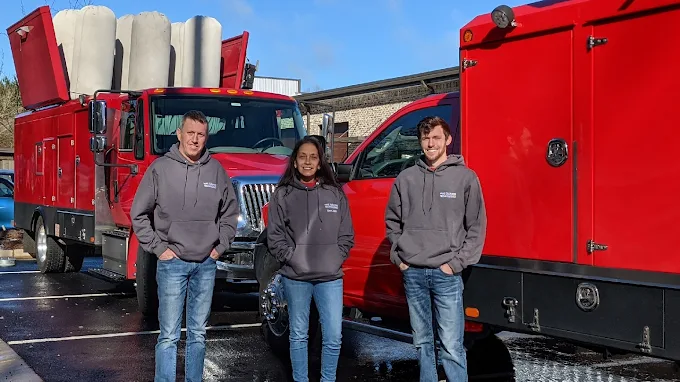
This guide by HVAC Cleaning Technologies, a Cumming GA air duct cleaning company, details how to spot the most common indicators that your commercial air ducts need servicing, why these signs are critical for building operations and employee well-being, and the practical next steps to take.
TL;DR — 5 Signs Your Commercial Air Ducts Need Attention
- Visible dust, debris, black soiling, or insulation near vents signal duct contamination and airflow loss
- Musty or unpleasant odors indicate moisture or microbial growth requiring targeted remediation
- Heavy buildup can raise HVAC energy use by 5–15% via restricted airflow and longer runtimes
- More respiratory complaints, allergies, or headaches suggest poor IAQ linked to contaminated ducts
- Droppings, nests, or gnaw marks show pest breaches that spread contaminants and impede airflow
1. Visible Dust and Debris
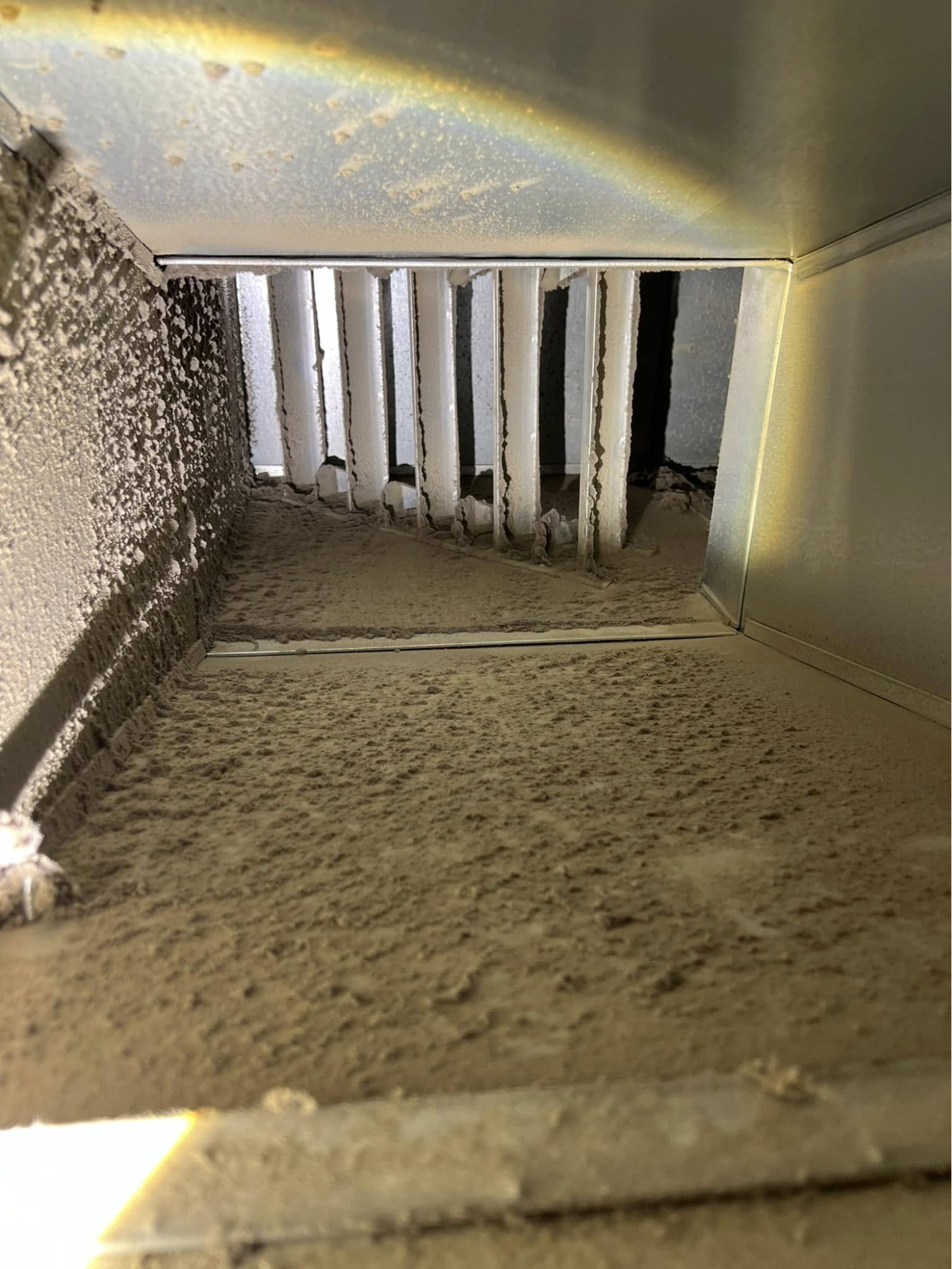
Visible dust and debris within commercial vents and registers signal accumulated particulate matter that obstructs airflow, diminishes filtration effectiveness, and can circulate allergens and microbial fragments throughout occupied spaces.
The list below outlines where to look during a quick inspection and what details to record for follow-up.
- Examine supply and return registers for settled dust and gray or black buildup on the grilles.
- Inspect ceiling diffusers and plenum access panels for dislodged insulation or visible debris.
- Check exposed duct runs and any visible seams for surface soiling and accumulated particulate matter.
Visible deposits often indicate deeper contamination beyond the grille or filter, necessitating a professional assessment to determine if Commercial Air Duct Cleaning is required.
Different visible signs correspond to likely causes and appropriate next steps for resolving contamination before it impacts HVAC performance or occupant comfort.
| Observed Sign | Likely Cause | Recommended Professional Action |
|---|---|---|
| Dust ring around registers | Filter bypass or overloaded filter | Inspect filter bank and perform targeted Commercial Air Duct Cleaning |
| Loose insulation fibers near vents | Damaged insulation or intake contamination | Repair insulation and clean affected duct sections |
| Black soiling on diffusers | Long-term particulate accumulation | Full system cleaning and evaluation of filtration efficiency |
This table helps facilities staff prioritize visible issues and select the correct remediation step, reducing guesswork when deciding between DIY cleaning and professional services.
2. Persistent Musty or Unpleasant Odors
A persistent musty or unpleasant odor emanating from vents typically stems from microbial growth, trapped moisture, or accumulated organic debris within the ductwork. These odors signal a contamination source that can reappear even after only surface cleaning.
The following list identifies common odor sources and immediate remediation steps facilities managers should consider.
- Mold/mildew growth: inspect AHUs and condensate pans; schedule microbial testing and targeted remediation.
- Trapped organic debris: check filter condition and duct interiors for remnants of leaves, paper, or food that attract microbes.
- Dead pests or nesting materials: identify and remove biological sources, then sanitize and clean ducts.
When odors persist after basic fixes, professional intervention is necessary to pinpoint moisture sources and remediate contamination. This often involves Air Handler Unit sanitization and potentially Mold Remediation for HVAC systems if testing confirms growth.
3. Increased Energy Bills
Restricted airflow due to clogged ducts or heavy internal deposits forces HVAC systems to operate longer and more intensely, leading to increased energy consumption and reduced component lifespan.
The markdown table below compares specific duct problems to the mechanism that drives higher energy use and the expected impact, enabling decision-makers to prioritize interventions.
| Duct Problem | Mechanism | Expected Impact |
|---|---|---|
| Heavy particulate buildup | Reduced cross-sectional airflow | 5–15% higher energy use due to longer runtimes |
| Blocked diffuser or registers | Uneven zone airflow, higher setpoint demand | Localized overheating/cooling and elevated terminal energy |
| Compromised insulation in ducts | Heat exchange losses | Increased HVAC cycling and fuel/electric consumption |
To confirm if ducts are contributing to higher bills, compare HVAC runtime trends against previous periods, measure airflow at key diffusers using anemometry, and verify filter change intervals.
These steps help isolate duct-related inefficiencies from other building loads. Professional cleaning and optimization restore airflow and can reduce runtime, directly connecting to the maintenance and remediation options discussed next.
4. Employee Health Complaints
Frequent reports of respiratory irritation, allergy flare-ups, headaches, or an increase in sick days can indicate poor indoor air quality stemming from contaminated duct systems and compromised HVAC performance.
Particulates, microbial volatile organic compounds, and pest-related contaminants circulated through ductwork elevate exposure levels and can worsen asthma or allergy symptoms among occupants, making health complaints a critical operational metric.
Commercial buildings and facilities should do the following:
- Track complaint dates, locations, and symptoms to identify spatial patterns linked to specific AHUs or floors.
- Cross-reference HVAC maintenance logs, filter change records, and recent construction or water events that might increase contamination risk.
- Escalate to a professional inspection when complaints persist after changing filters and performing basic cleaning.
Documented health complaints build the case for a professional inspection that can measure indoor air quality, identify contaminant sources, and recommend targeted remedies such as Commercial Air Handler Unit (AHU) Sanitization or Mold Remediation for HVAC systems when tests reveal microbial presence.
Empirical evidence indicates that indoor air quality is a significant determinant of work effectiveness. This influence manifests as reduced productivity, potential damage to materials and equipment, and adverse effects on worker health. This research examines the repercussions of indoor air pollution on human health within the occupational setting.
5. Signs of Pest Infestation
Physical evidence of pest activity within ductwork indicates breaches in system integrity that compromise both IAQ and safety. These signs necessitate coordinated containment, cleaning, and repair efforts.
Pests introduce biological contaminants and create openings that alter airflow and allow contaminants to bypass filters, establishing persistent contamination zones that standard cleaning may not fully resolve without repairs.
The list below outlines common indicators that facilities teams should look for during inspections:
- Droppings or urine stains near registers or plenum access panels.
- Chewed or missing insulation and visible gnaw marks on ductwork.
- Nesting materials or feathers inside accessible duct sections or at intake points.
Addressing pest-related duct issues typically involves containment, sanitation, and mechanical repairs followed by cleaning to remove contamination and restore air quality. The table below maps observed signs to likely risks and immediate actions to guide a rapid response.
| Observed Sign | Risk | Recommended Action |
|---|---|---|
| Droppings near diffuser | Pathogen transmission and allergen spread | Isolate area, remove droppings, sanitize, and schedule duct cleaning |
| Chewed insulation | Energy loss and insulation contamination | Repair insulation, inspect for entry points, and clean ducts |
| Nesting materials inside ducts | Blocked airflow and microbial growth | Remove nests, disinfect affected sections, and implement exclusion measures |
Prompt remediation of pest evidence prevents recurring contamination and supports long-term
IAQ improvement, directly connecting to why timely action is critical for business operations, as discussed in the next section.
Why Is It Critical to Address These Commercial Air Duct Signs Promptly?
Ignoring early indicators of duct contamination allows minor issues to escalate into system-wide problems that increase costs, negatively affect occupants, and shorten equipment lifespan.
Therefore, timely inspection and targeted remediation protect both people and assets. Addressing signs quickly restores airflow, halts microbial spread, and reduces the likelihood of localized problems cascading into expensive repairs or reputational damage.
The three benefit areas below detail how prompt action translates into measurable outcomes for facilities and operations.
Protect Indoor Air Quality and Employee Well-being
Safeguarding indoor air quality involves removing distributed contaminants from ducts and air handlers so that supply air meets occupant health expectations and minimizes symptom clusters.
Facilities that treat IAQ as an operational metric can decrease absenteeism and demonstrate adherence to industry standards, strengthening the rationale for proactive maintenance.
Enhance HVAC System Longevity
Cleaning ducts and resolving the root causes of contamination reduce mechanical stress on fans, coils, and motors by restoring designed airflow and heat-exchange efficiency.
Reduced particulate loading prevents abrasive wear and maintains condenser and evaporator performance, which in turn lowers failure rates and defers capital expenditures for replacements.
Investing in targeted cleaning and repairs thus supports predictable equipment lifecycles and reduces the total cost of ownership for HVAC assets.
Support the Business's Professional Image
Visible dust, persistent odors, or frequent employee complaints can negatively influence client and tenant perceptions during tours or inspections, potentially impacting occupancy decisions and customer confidence.
Proactive remediation demonstrates operational diligence and attention to detail, reinforcing a professional image that supports leasing, sales, and client retention.
Addressing IAQ issues before they become apparent to visitors helps protect revenue and business relationships.
How Can You Confirm These Signs and Schedule Professional Commercial Air Duct Cleaning?
Facilities teams can verify duct-related problems using a concise checklist that prioritizes measurable observations and guides the decision to escalate to professional services.
The numbered checklist below provides practical verification steps and outlines what to expect during a professional assessment.
- Document visible signs, odors, and complaint clusters, noting dates and locations to establish patterns.
- Measure airflow at representative diffusers and record any deviations from design setpoints or historical baselines.
- Inspect filters, condensate pans, and AHU interiors for moisture or microbial growth; collect samples if odors persist.
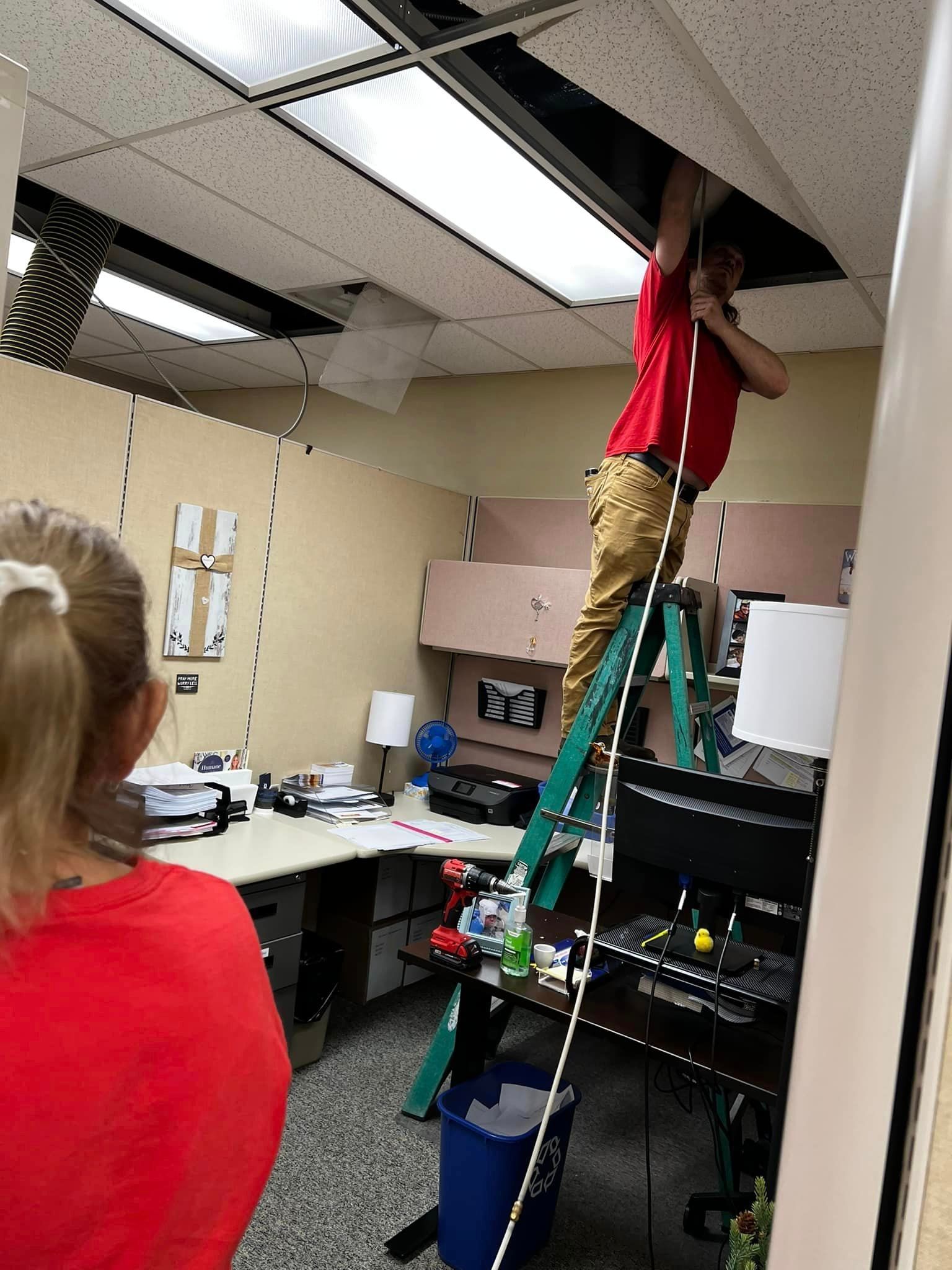
- If indicators suggest internal contamination, request a professional inspection that includes system video inspection, particulate and microbial testing, and a written scope of recommended work.
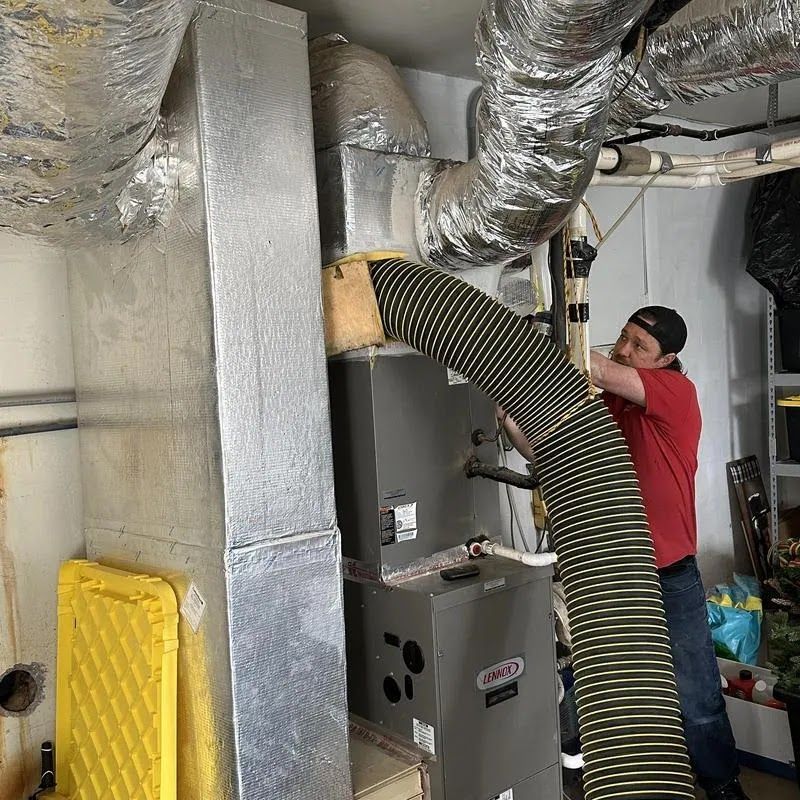
When you engage a qualified provider, anticipate a professional assessment that includes a visual inspection, potential fiber-optic or borescope imagery of duct interiors, scope recommendations, and a proposal differentiating preventive maintenance from remediation work.
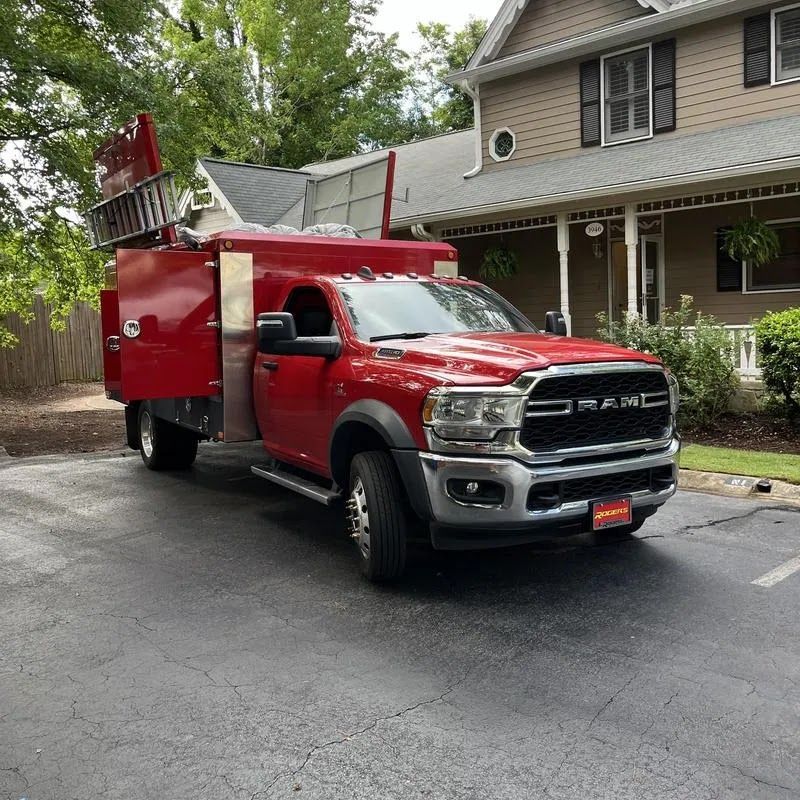
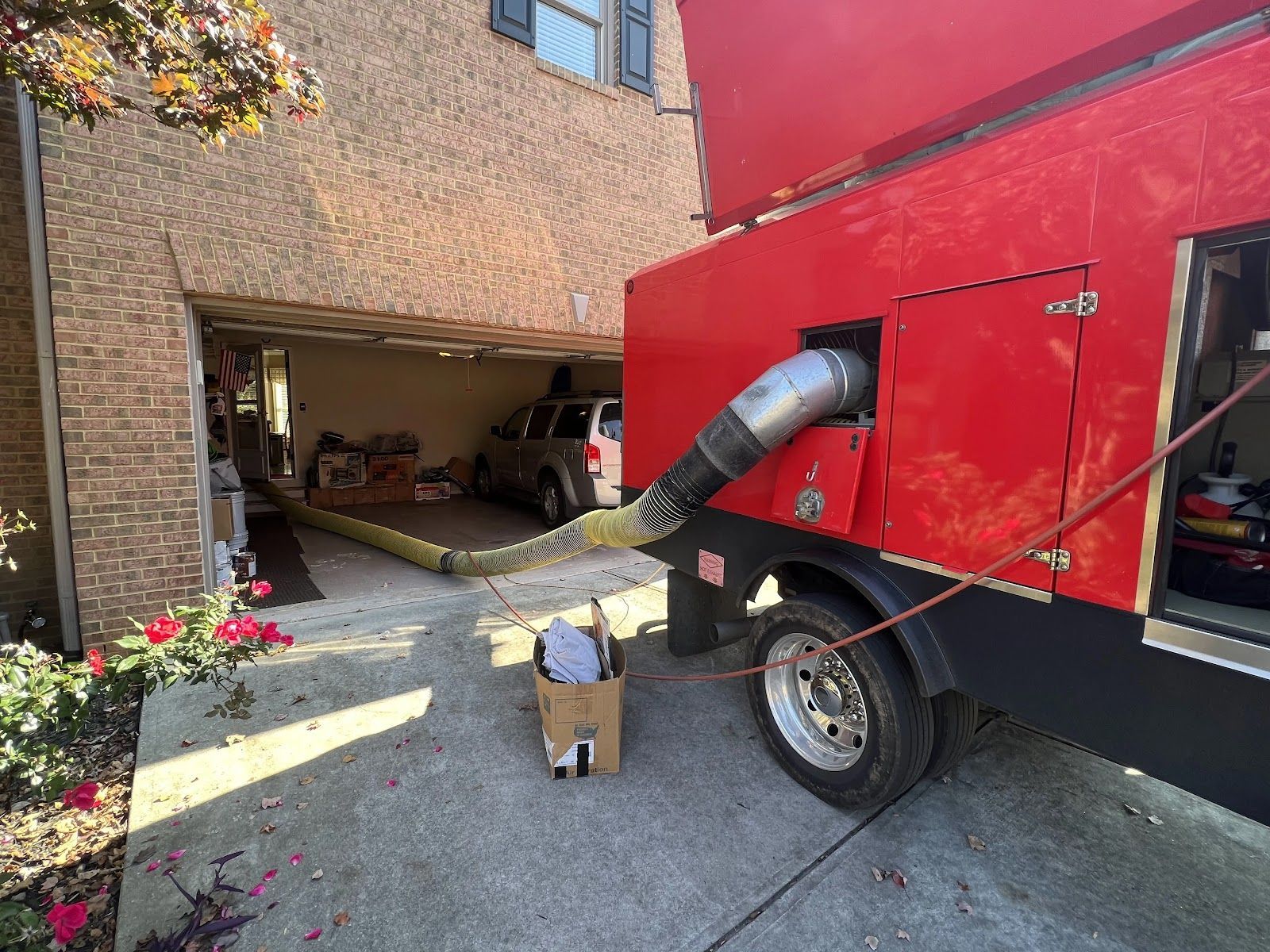
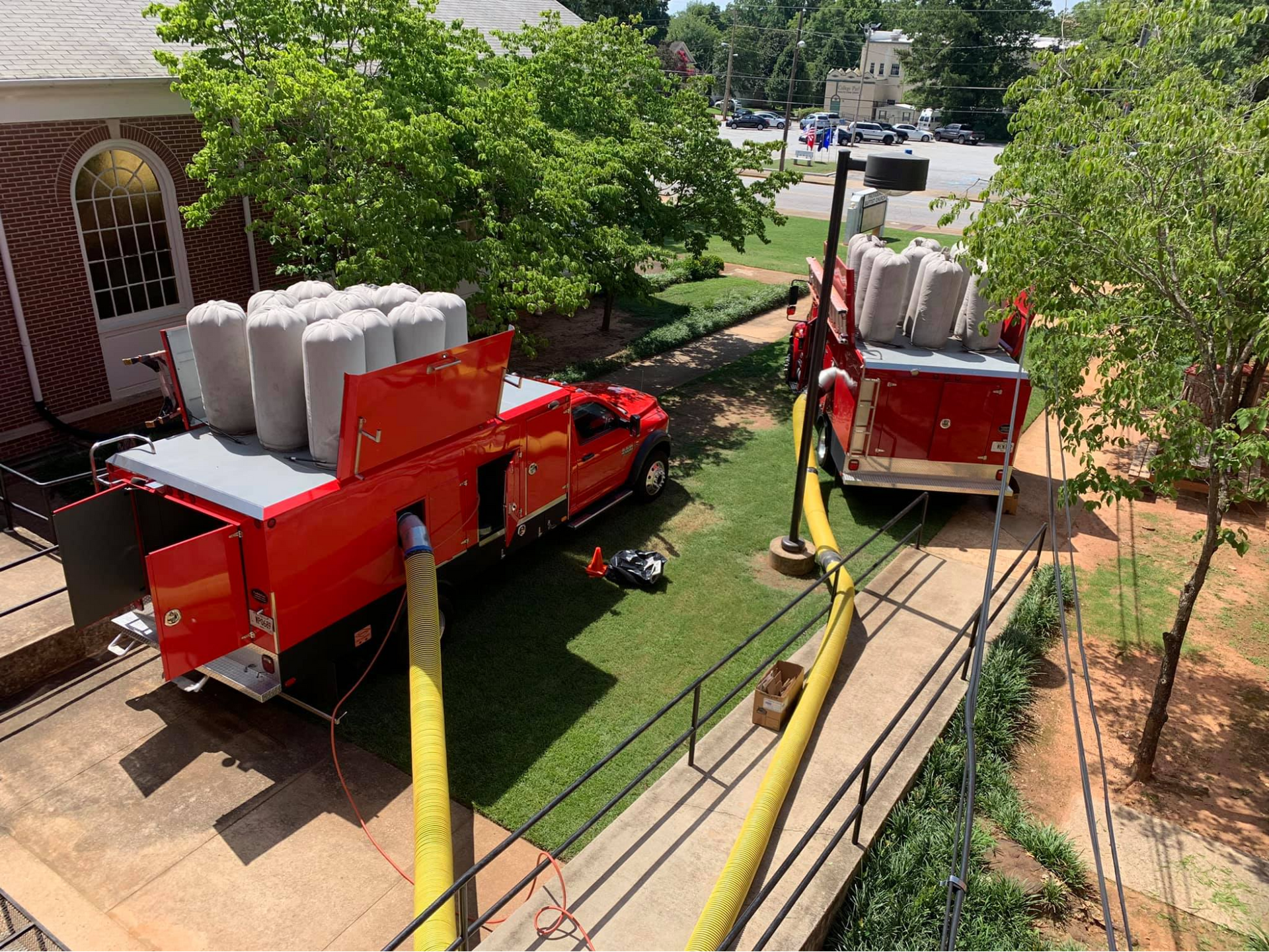
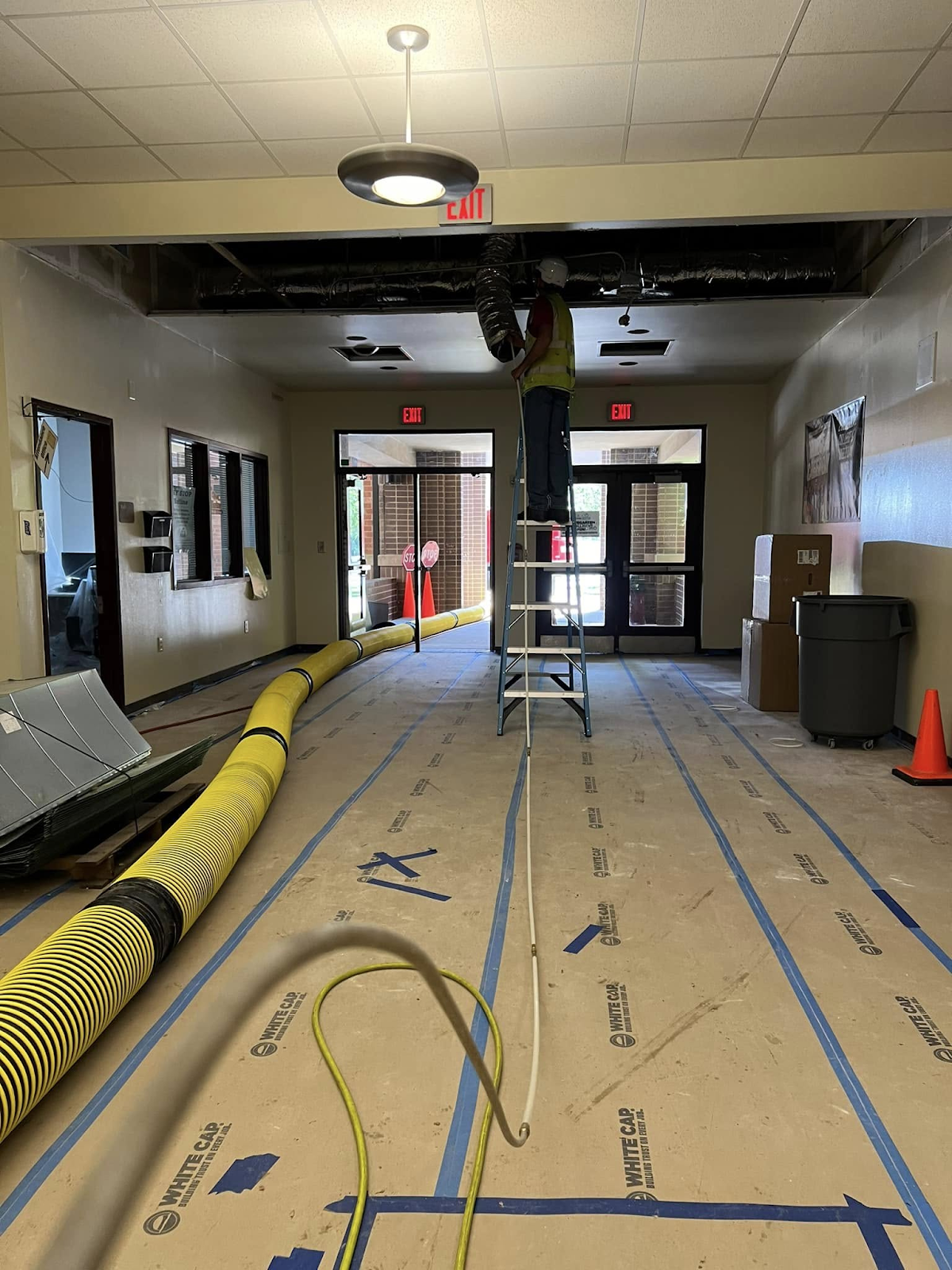
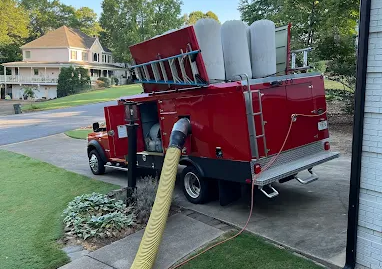
HVAC Cleaning Technologies, a leading air duct cleaning company in Cumming, offers Commercial Air Duct Cleaning and related services such as Commercial Roof Top Unit (RTU) Cleaning and Duct Encapsulation.
We emphasize chemical-free cleaning and guarantee a NADCA ASCS-certified technician on every job site, ensuring consistent protocols during remediation.
Conclusion
Addressing commercial air duct issues promptly is essential for maintaining superior indoor air quality, maximizing HVAC efficiency, and ensuring the health of your occupants.
By recognizing indicators such as visible dust, persistent odors, and other warning signs, facilities teams can implement proactive measures to prevent costly repairs and enhance the overall workplace environment.
Partnering with a professional service like HVAC Cleaning Technologies, the air duct cleaning company Cumming GA businesses trust, guarantees thorough remediation and delivers lasting benefits for your building's operations.
Take the crucial first step toward cleaner air and a healthier facility by scheduling a professional duct inspection today.