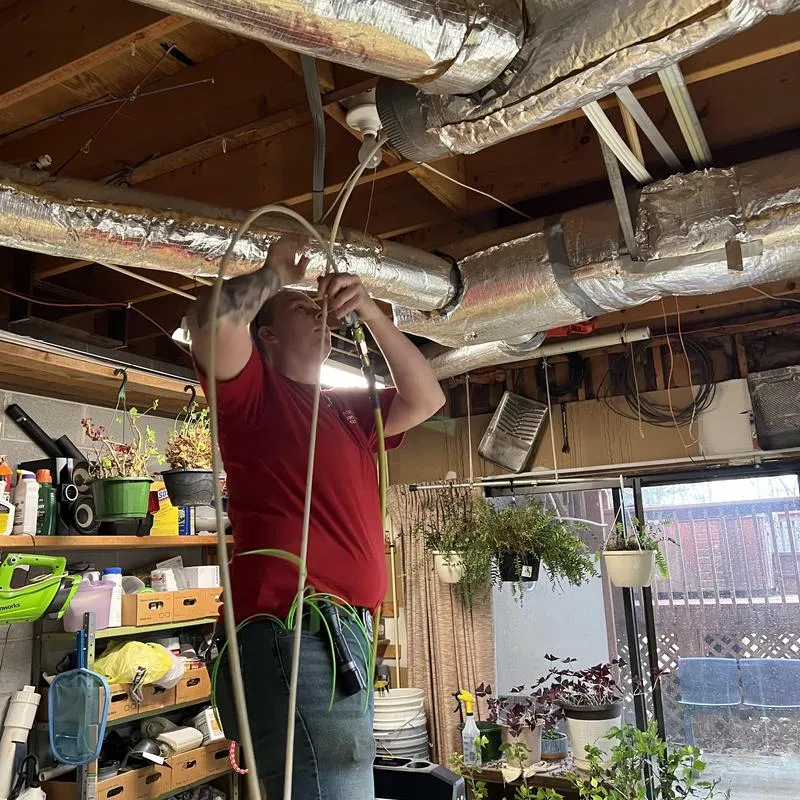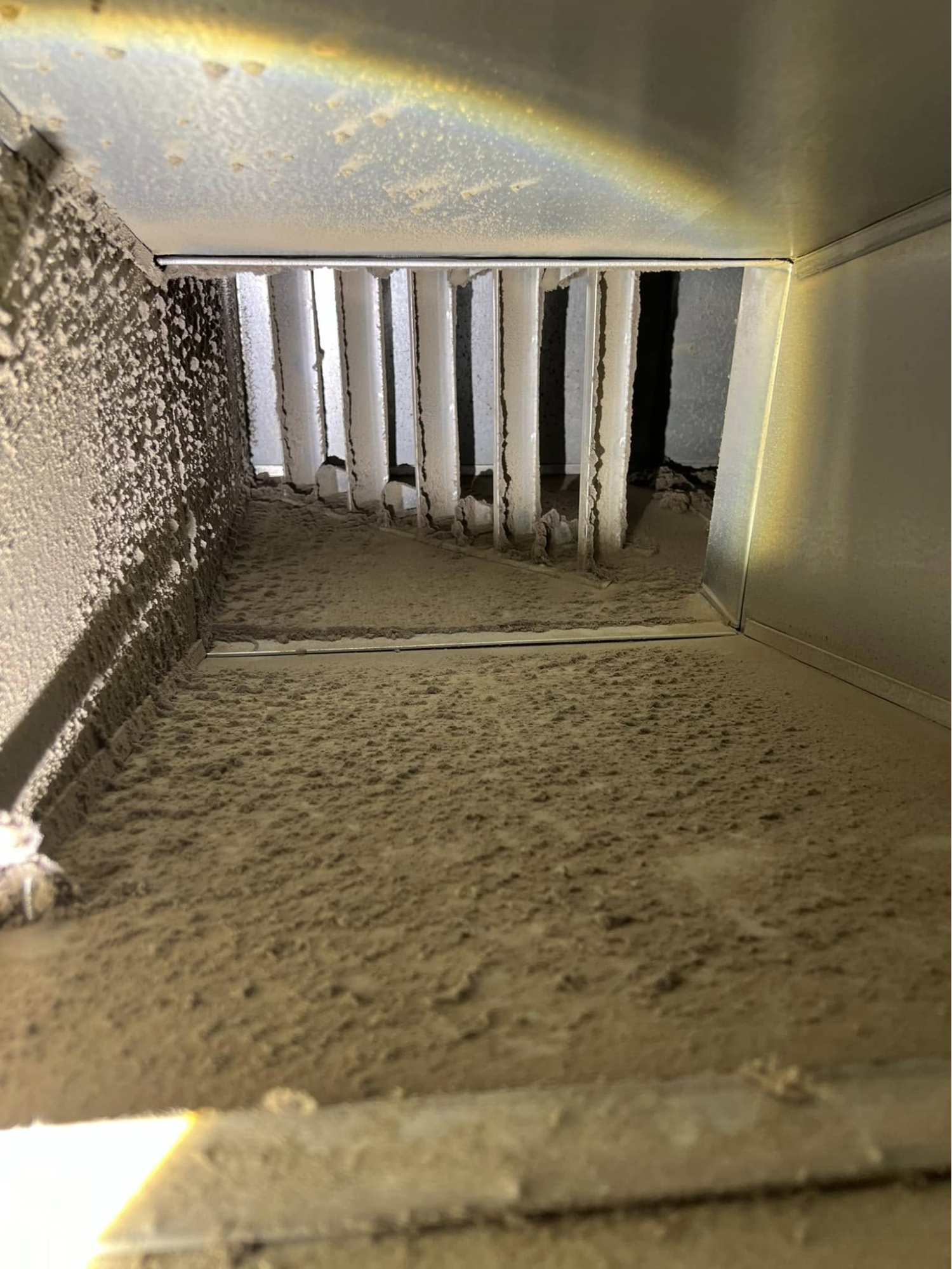
Why dust comes back fast after a duct cleaning
Dust that comes back soon after a duct cleaning usually means air is getting into your system after the filter. Leaky return ducts and gaps around the filter can both carry new dust into clean ductwork.
If your house got dusty again soon after cleaning, it's fair to wonder whether the job was done right. Sometimes it wasn't, and this guide shows you how to check. Other times the ducts came out clean and a leak or a poorly fitting filter let new dust in.
You'll find a 10-minute self-check and a clear order of fixes below. Fixing the cause first means your next air duct cleaning from HVAC Cleaning Technologies keeps your home cleaner for longer.
TL;DR: What to check first
- Dust that returns quickly can come from leaky return ducts or gaps around the filter, as well as from an incomplete cleaning.
- ENERGY STAR estimates that about 20 to 30 percent of the air moving through a typical home's ducts is lost through leaks, holes, and poor connections.
- Fix leaks and filter fit before you book another cleaning.
Why dust comes back after a professional duct cleaning
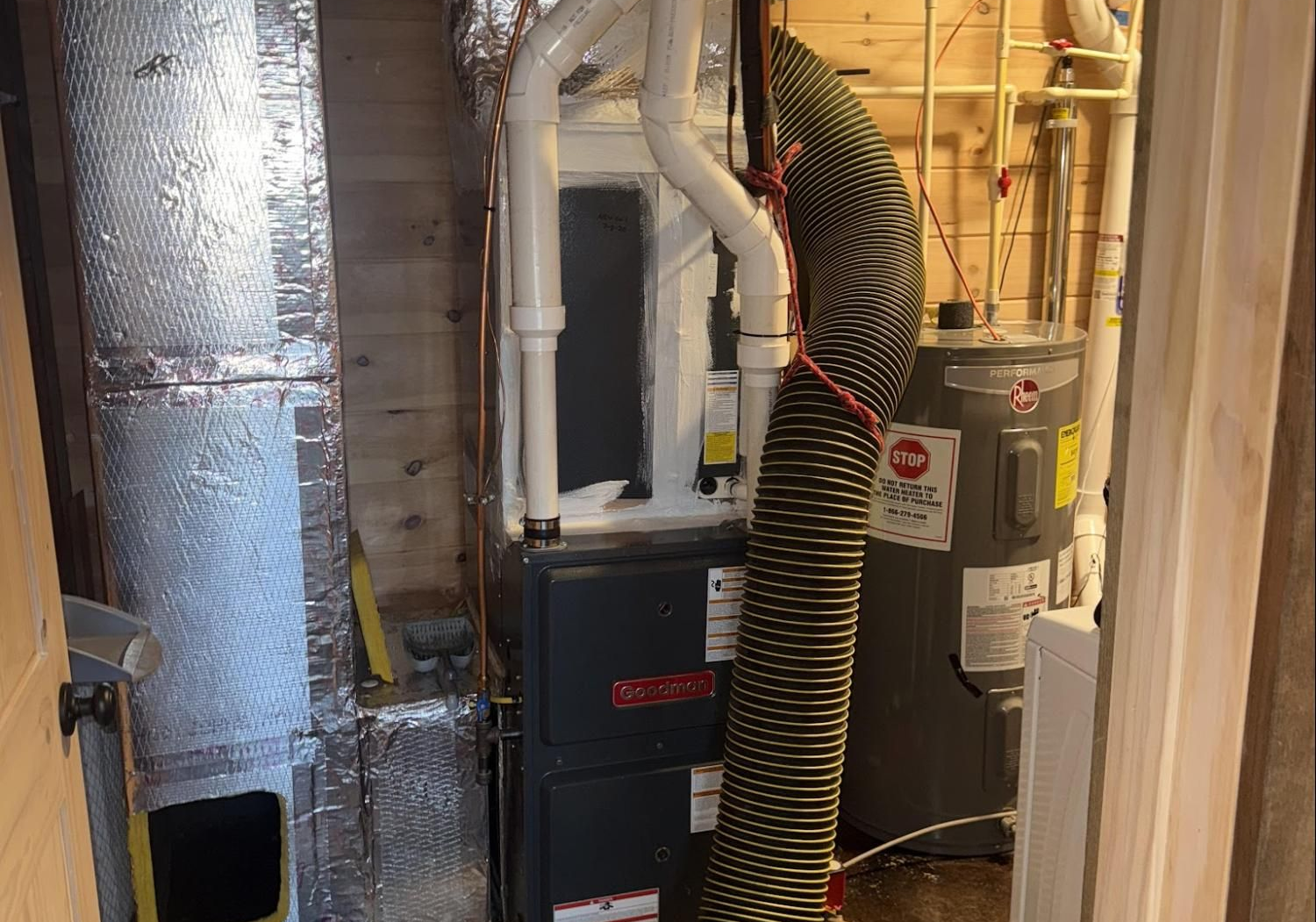
New dust gets in when air enters the system after the filter. A cleaning removes what's already inside your ducts, while sealing and a well-fitted filter keep new dust from getting in.
Your heating and cooling system moves air in a loop. Supply ducts deliver air to your rooms through the vents, and return ducts carry it back through a grille and the filter to the indoor unit. If the return side leaks, some of the air that reaches the blower never passes through the filter.
Leaks are common. ENERGY STAR's duct sealing guidance estimates that about 20 to 30 percent of the air moving through a typical home's ducts escapes through leaks, holes, and poorly connected sections. Its duct sealing fact sheet adds that leaky ducts can cut heating and cooling efficiency by as much as 20 percent.
Return leaks can pull in attic and crawlspace dust
Leaks in return ducts can draw in dust from the unconditioned spaces the ducts run through. The ENERGY STAR fact sheet says sealing ducts lowers the risk of pollutants getting in from dusty attics and musty crawlspaces.
Where your filter sits matters. If it's behind a return grille in a ceiling or wall, any air that leaks into the return duct after that grille skips the filter completely. That air travels to the indoor unit, where the blower fan sits, and back out to your rooms.
Gaps around the filter let dust slip past
A filter only cleans the air that goes through it. A filter that's the wrong size or bent, or a slot without a cover, lets air flow around the edges.
The ENERGY STAR fact sheet lists leaks at the furnace and filter slot among common duct problems. Filter condition matters too. DOE's guide to maintaining your air conditioner explains that clogged filters cut airflow. When that happens, air can get around the filter and leave dirt on the evaporator coil, the cooling coil inside your indoor unit.
A 10-minute self-check you can do this weekend
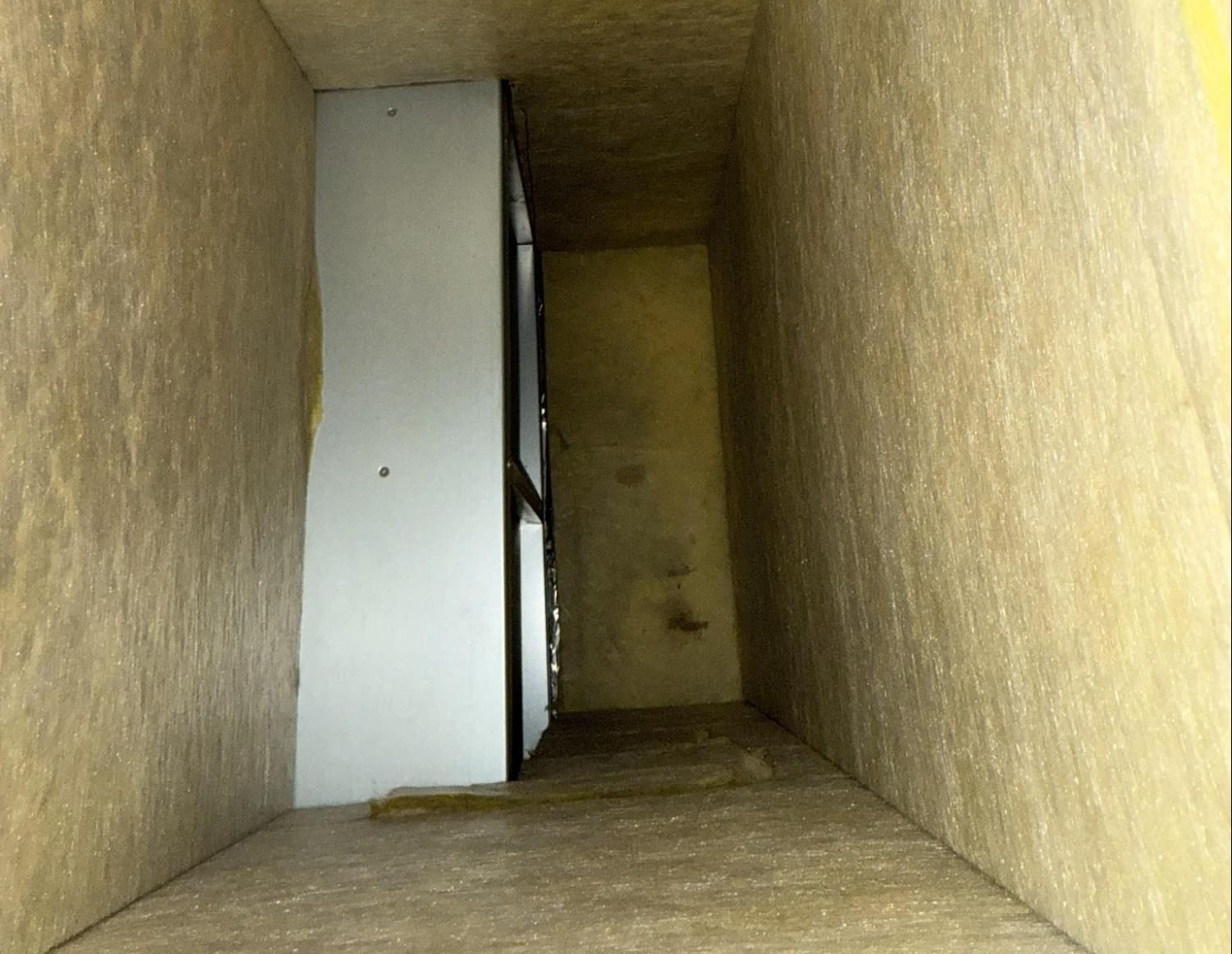
You can find the most common causes with a flashlight and a tissue. Turn your system on, then work through these steps.
- Pull out the filter and compare the size printed on its frame with the slot. Dust streaks on the frame's downstream side, or on the slot walls, show air moving around the edges.
- Check that the filter slot has a cover. Hold a tissue near the slot. If it pulls toward the opening, air is leaking in.
- Remove a supply vent cover and shine your flashlight into the space between the metal collar behind it (the register boot) and the drywall. Open gaps or loose insulation fibers mean that the connection isn't sealed.
- Look into the attic or crawlspace from the access opening. Check for flexible duct that's kinked or hanging loose, and for cloth duct tape that's peeling. ENERGY STAR lists kinked flexible ducts as a sign of poor duct performance and warns against duct tape because it doesn't last. If you go up, step only on the joists.
- Notice where dust collects in the house. If it builds up near exterior doors and windows, outdoor air may be the source.
What each finding points to

Match what you found with the likely cause and the next step.
| What you found | Likely cause | Next step |
|---|---|---|
| Dust streaks on the filter frame or slot walls | Air moving around the filter | Buy the correct filter size |
| Tissue pulled toward the filter slot | Open or uncovered filter slot | Have the slot covered or sealed |
| Gaps around a register boot | Unsealed boot connection | Have the boot sealed |
| Kinked, loose, or taped flexible duct | Damaged or leaking duct run | Have the run repaired or sealed, then have airflow checked |
| Insulation fibers blowing from vents | Possible damaged duct in the attic or crawlspace | Get a duct inspection before any repair |
| Dust heaviest near exterior doors and windows | Outdoor air getting in around openings | Weatherstrip doors and windows |
Seal the leaks first
Close leaks before you book another cleaning so new dust stops getting in. Otherwise the same leaks will undo the next cleaning.
For leaks you can reach, ENERGY STAR recommends mastic sealant or metal tape. It also recommends insulating ducts in attics, crawlspaces, unfinished basements, and garages.
Disconnected runs, crushed ducts, and leaks you can't reach call for a professional. The ENERGY STAR fact sheet says the contractor should check airflow after the repairs, so ask for that check by name.
Fit the right filter and change it on time

A filter that fits and isn't clogged keeps more dust out of your clean ducts.
The
EPA's Guide to Air Cleaners in the Home recommends a filter with a MERV (Minimum Efficiency Reporting Value) rating of at least 13, or the highest rating your system's fan and filter slot can handle. If you're not sure what your system can handle, check the equipment manual or ask your HVAC technician before you upgrade.
Timing matters as much as rating. DOE recommends cleaning or replacing filters every month or two during the cooling season. It says swapping a clogged filter for a clean one can lower air conditioner energy use by 5 to 15 percent.
In guidance written during the COVID-19 pandemic, EPA also points out that your system filters air only while the fan runs. For more ways to keep air clean between visits, see our guide to maintaining air quality after a duct cleaning.
Signs the cleaning itself was incomplete
If parts of the system were skipped, some of the dust never left. Ask your provider which parts they cleaned and how they confirmed the result.
A complete job should cover the return side and the main trunk lines as well as the vents you can see. NADCA's ACR standard sets out procedures for inspecting HVAC components and verifying cleanliness. Those procedures include the Surface Comparison Test and the NADCA Vacuum Test, and the standard is a free download, so you can compare what was done with what it describes.
When to book another cleaning

Book another cleaning after leaks are fixed, or when something new has dirtied the system.
A follow-up cleaning makes sense in these cases:
- Repair work disturbed debris or let insulation into the ducts.
- Drywall sanding or flooring work happened while the system was running.
- You see mold growth or signs of pests in the ducts or indoor unit.
Our whole-system air duct cleaning in Cumming uses Power Vac trucks rated up to 14,000 CFM (cubic feet per minute). The trucks pull debris outside your home instead of stirring it around inside.
Fix the cause, then breathe easier
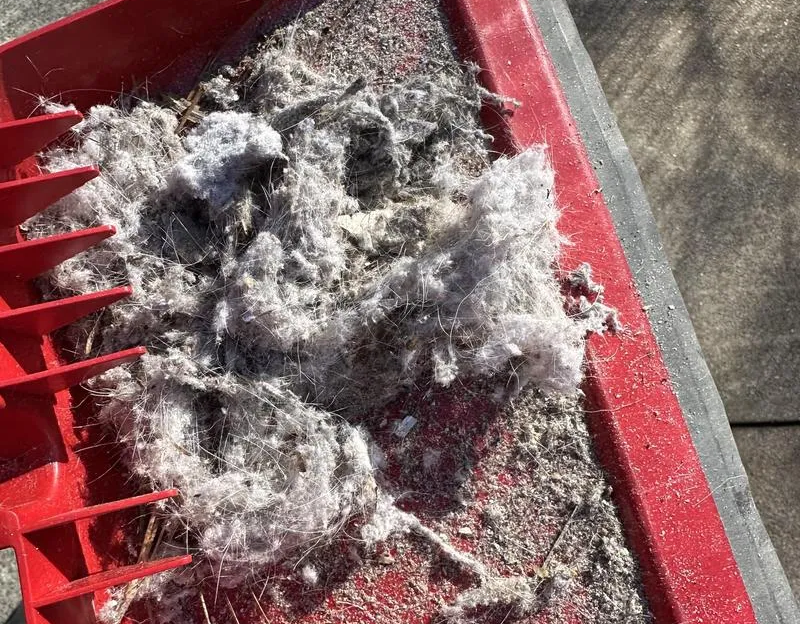
Dust that returns soon after a cleaning has a cause you can find. Check the filter fit, look for leaks at the slot, the register boots, and the attic runs, and get them sealed. Then a cleaning lasts.
We put a NADCA ASCS-certified lead technician on every job, and the price we quote is the price you pay, with no upsells. Get a free duct cleaning quote and breathe easier knowing the dust has nowhere to come back from.
About the author
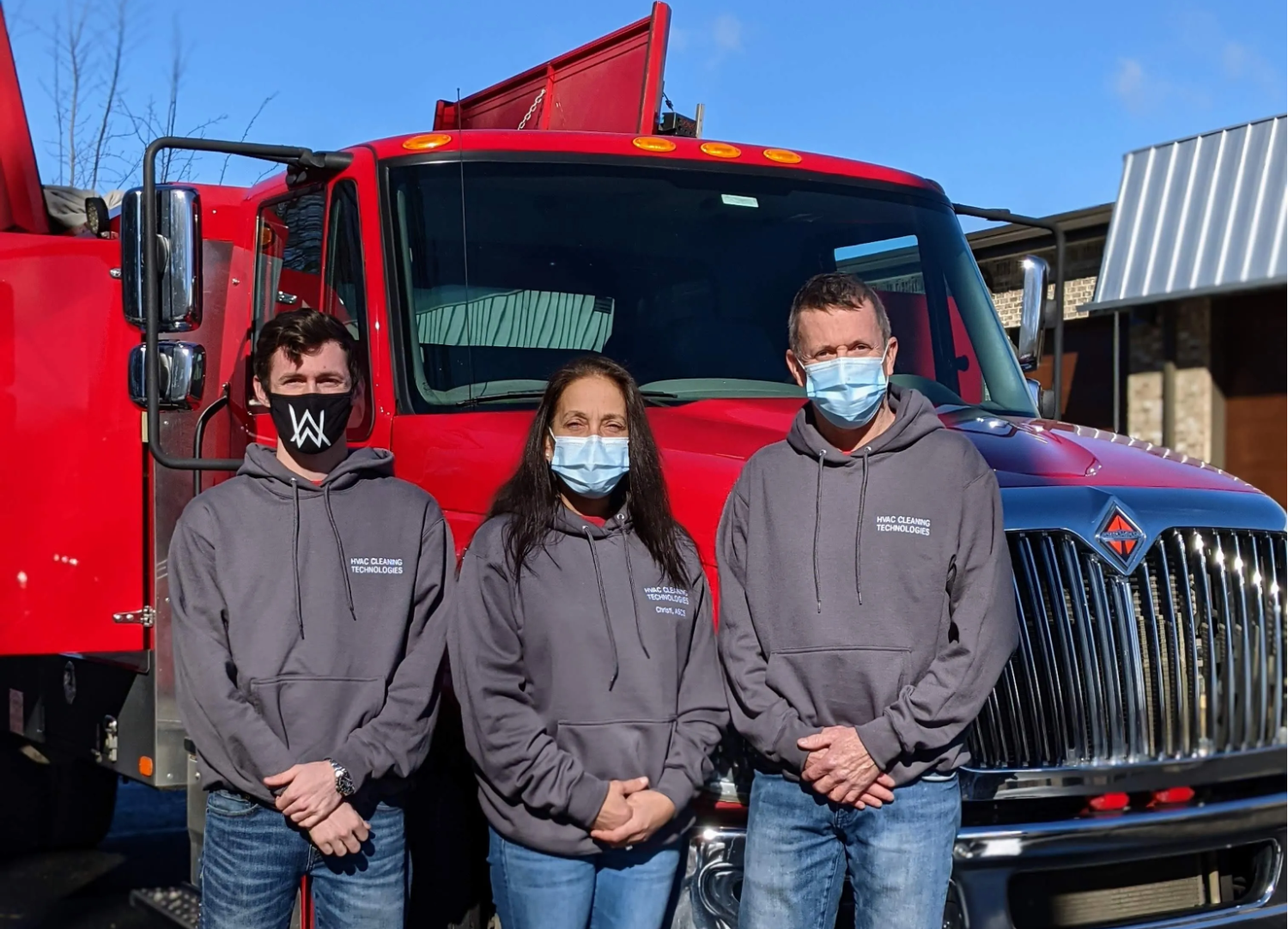
Scott Sneddon owns HVAC Cleaning Technologies in Cumming, Georgia. He has worked in the business since 1996 and founded the company in 1999. Scott holds NADCA's Air System Cleaning Specialist (ASCS) and Certified Ventilation Inspector (CVI) credentials.