Why Portable Vacuums Fail: The Science of 14,000 CFM Duct Cleaning for North Georgia Homes
The hidden airflow problem in North Georgia homes
When North Georgia homeowners notice persistent indoor dust or musty odors, finding a reliable solution quickly becomes a priority. However, low-powered discount cleaners often disturb settled debris without extracting it, pushing fine particles back into your living space and straining your blower motor. Reading this breakdown will help you spot low-cost discount scams and evaluate professional vacuum extraction standards.
By learning how we use truck-mounted extraction under continuous negative pressure in our
air duct cleaning, you can safeguard your family's health and lower monthly utility costs.
TL;DR: Key takeaways
- The vacuum velocity gap: Low-powered portable vacuums lack the negative pressure required to pull particulate matter from complex duct runs, often pushing settled dust into furnace evaporator coils.
- The HVAC Cleaning Technologies 14,000 CFM Extraction Protocol: True source removal relies on heavy-duty American Caddy Vac power vacuum trucks that pull debris outside the home while isolating internal HVAC components.
- The HVAC Cleaning Technologies Airflow & Static Pressure Audit: Proper mechanical cleaning maintains air handler static pressure balances, preventing blower motor strain and furnace heat exchanger cracks.
- NADCA ASCS certification guarantee: HVAC Cleaning Technologies requires certified Air Systems Cleaning Specialists adhering to NADCA ACR standards on every project to prevent cross-contamination.
Ready to restore your home's indoor air quality?
Schedule your free indoor air quality estimate and system inspectionWhy mechanical suction capacity determines air duct cleaning success
Complete residential air duct cleaning by HVAC Cleaning Technologies requires high-volume suction (measured in CFM) combined with total system containment under negative pressure. Without high-capacity extraction, dislodged dust and allergens remain trapped inside duct trunks or escape back into living spaces.
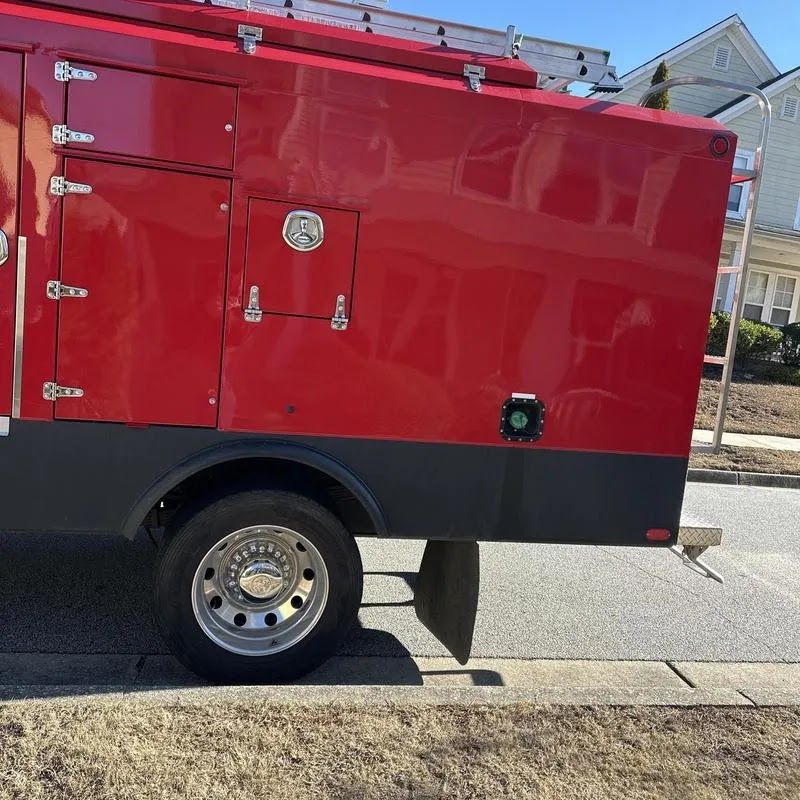
Our main goal at HVAC Cleaning Technologies is achieving complete source removal—physically extracting particulate matter from ductwork interior surfaces without allowing dust or biological spores to re-enter indoor breathing air.
The physics of CFM velocity and negative vacuum containment
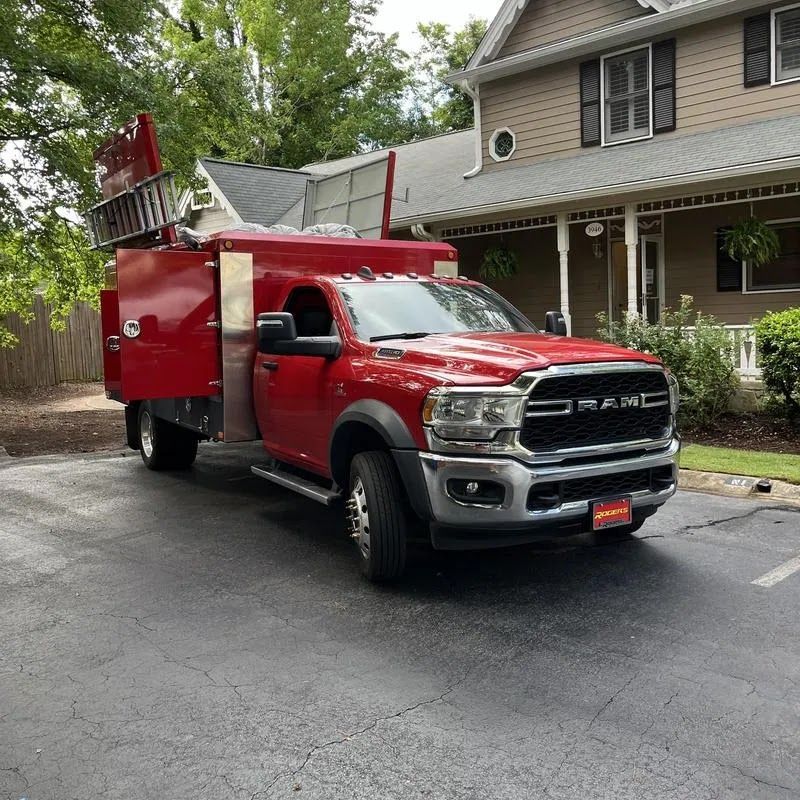
American Caddy Vac power vacuum trucks delivering 14,000 CFM establish continuous, high-velocity airflow that pulls dislodged contaminants straight into exterior truck collection tanks. In contrast, 1,500–3,000 CFM portable electric units lack the velocity to clean long main trunk lines effectively.
Air duct cleaning efficiency is governed by air volume velocity, measured in cubic feet per minute (CFM), combined with static vacuum pressure. Homeowners evaluating local remediation options can review our
Cumming, GA, service area guide to see how we execute the HVAC Cleaning Technologies 14,000 CFM Extraction Protocol, establishing complete negative-pressure system containment before pneumatic agitation begins.
- Portable electric units (1,500 to 3,000 CFM): Most budget duct cleaning operators utilize small portable electric vacuums brought inside the home. Portable vacuums rely on 120-volt household electrical outlets and produce limited airflow velocity. While portable units may clean register grilles, they fail to maintain continuous suction across long main supply trunks.
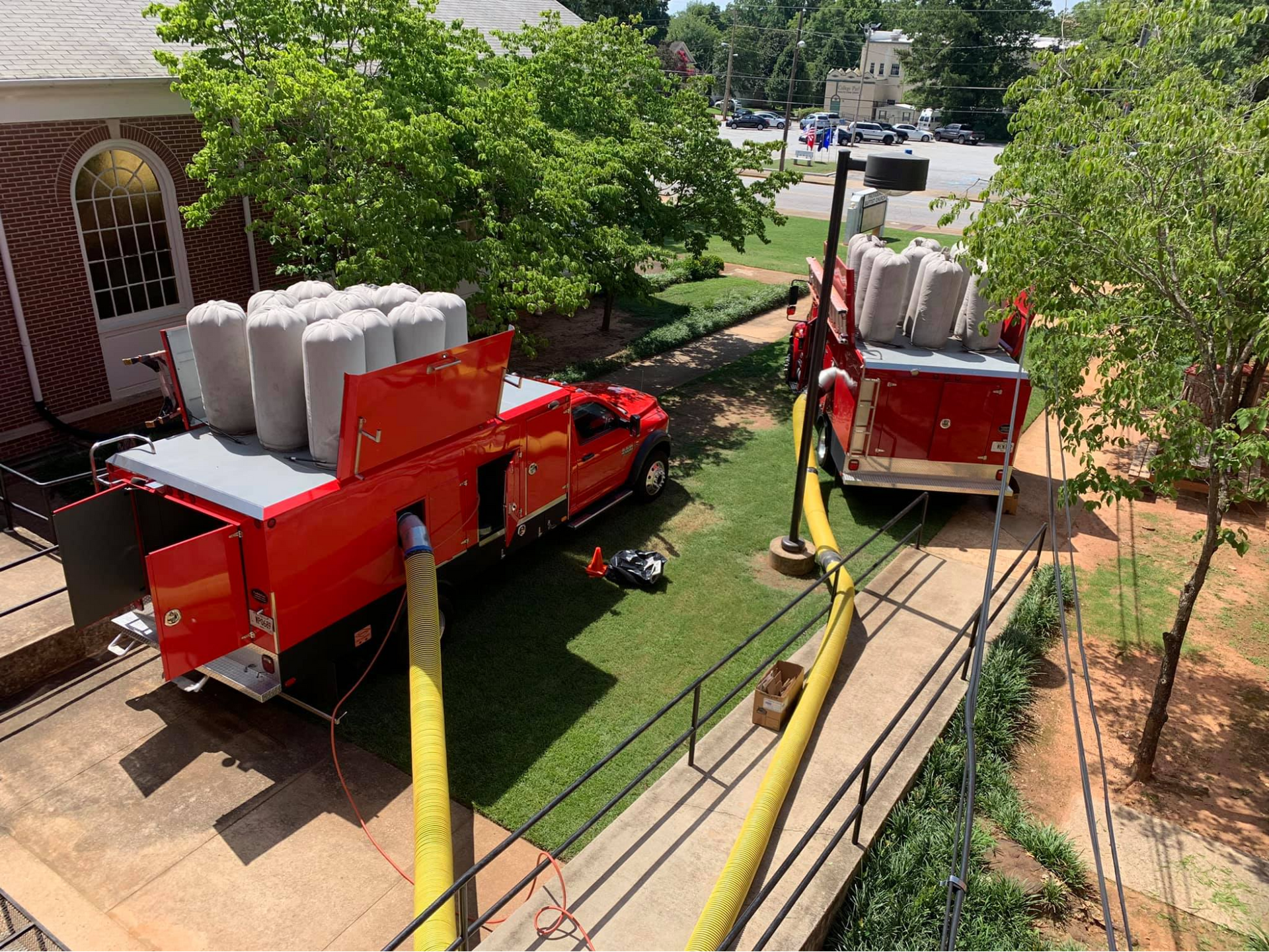
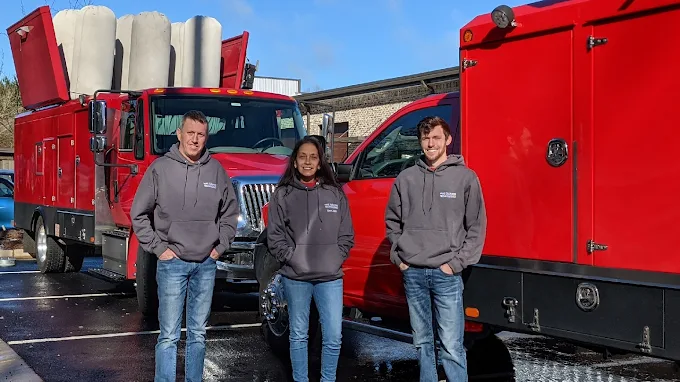
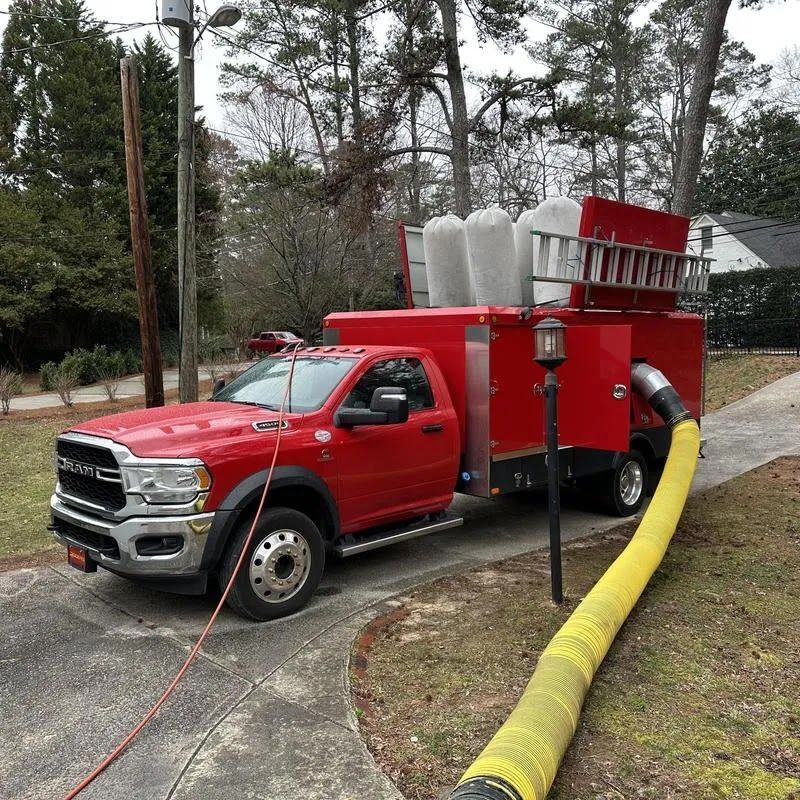
- Truck-mounted power vacs (14,000 CFM): Industrial power vacuum trucks, such as the 14,000 CFM American Caddy Vac operated by HVAC Cleaning Technologies, utilize high-torque PTO diesel power plants mounted directly to commercial truck chassis. The American Caddy Vac establishes sustained negative pressure across your entire home ventilation network.
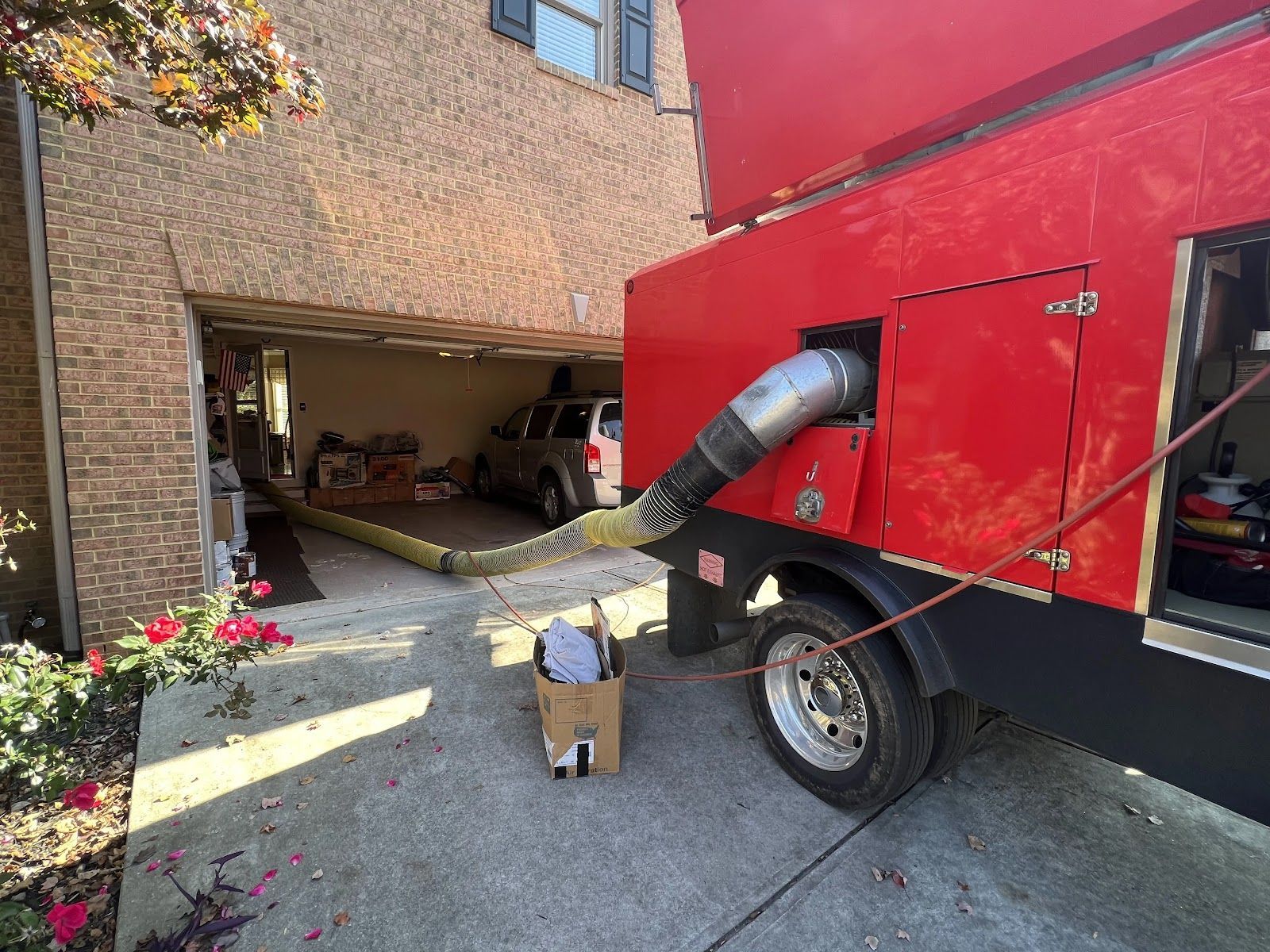
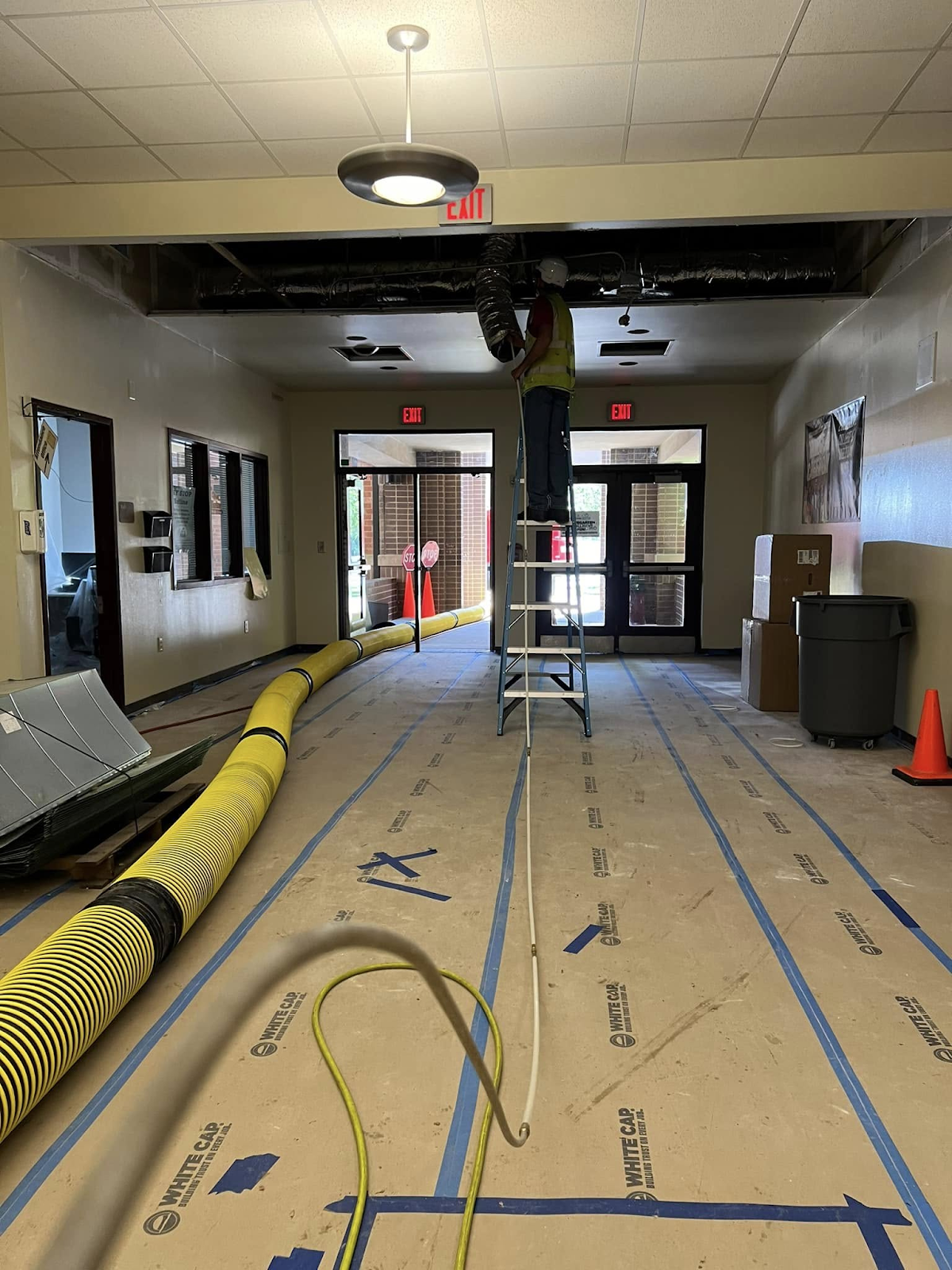
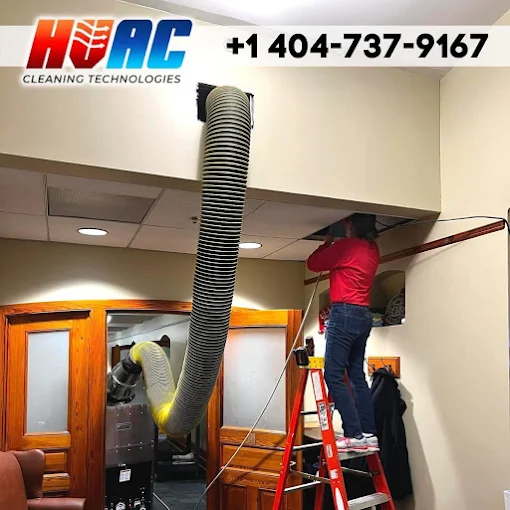
When 14,000 CFM of negative air pressure is applied to a main trunk line, the vacuum creates a powerful directional airstream. As 200 PSI pneumatic air whips dislodge stubborn debris from duct surfaces, high-velocity airflow instantly captures particulate matter, routing dust through 10-inch vacuum hoses into exterior collection tanks mounted on the American Caddy Vac truck.
Connecting your HVAC system to the HVAC Cleaning Technologies 14,000 CFM Extraction System removes pollen, mold spores, and pet dander from your house rather than recirculating dust through living areas.
Real-world case study: 4,700 sq. ft. residential clean in Cumming, GA (3.5-hour turnaround)
High-capacity 14,000 CFM American Caddy Vac power vacuum trucks allow technicians from HVAC Cleaning Technologies to complete full negative-pressure source removal on large 4,700 sq. ft. homes in just 3.5 hours, removing trapped renovation dust and pet dander well within the standard 3 to 6-hour residential service window.
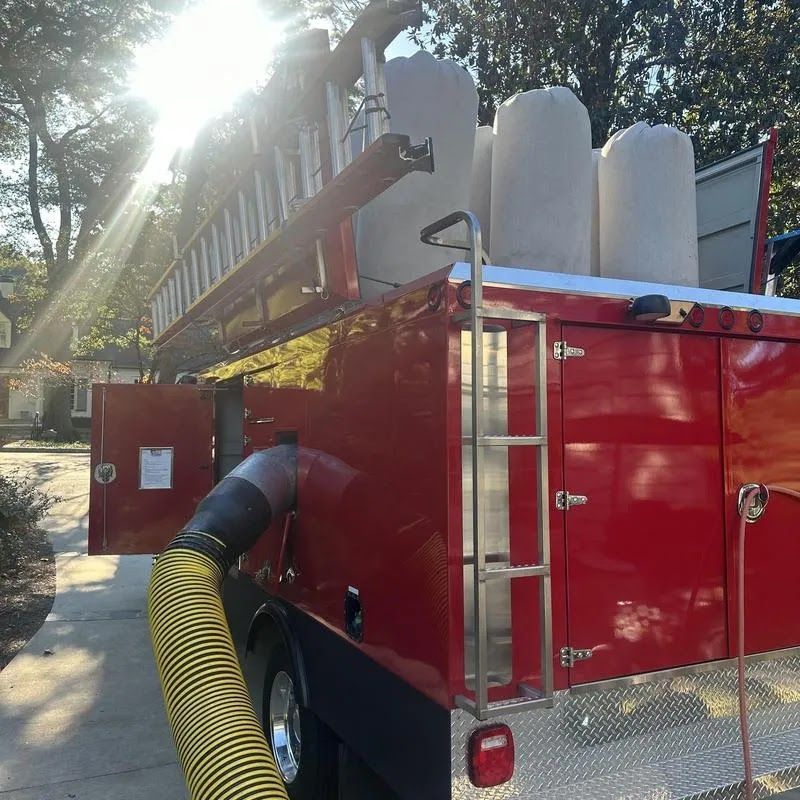
To understand how heavy-duty negative pressure translates to residential performance, examine this documented project benchmark from HVAC Cleaning Technologies:
- Project scope: Comprehensive air duct cleaning for a 4,700 sq. ft. single-family residence in North Georgia.
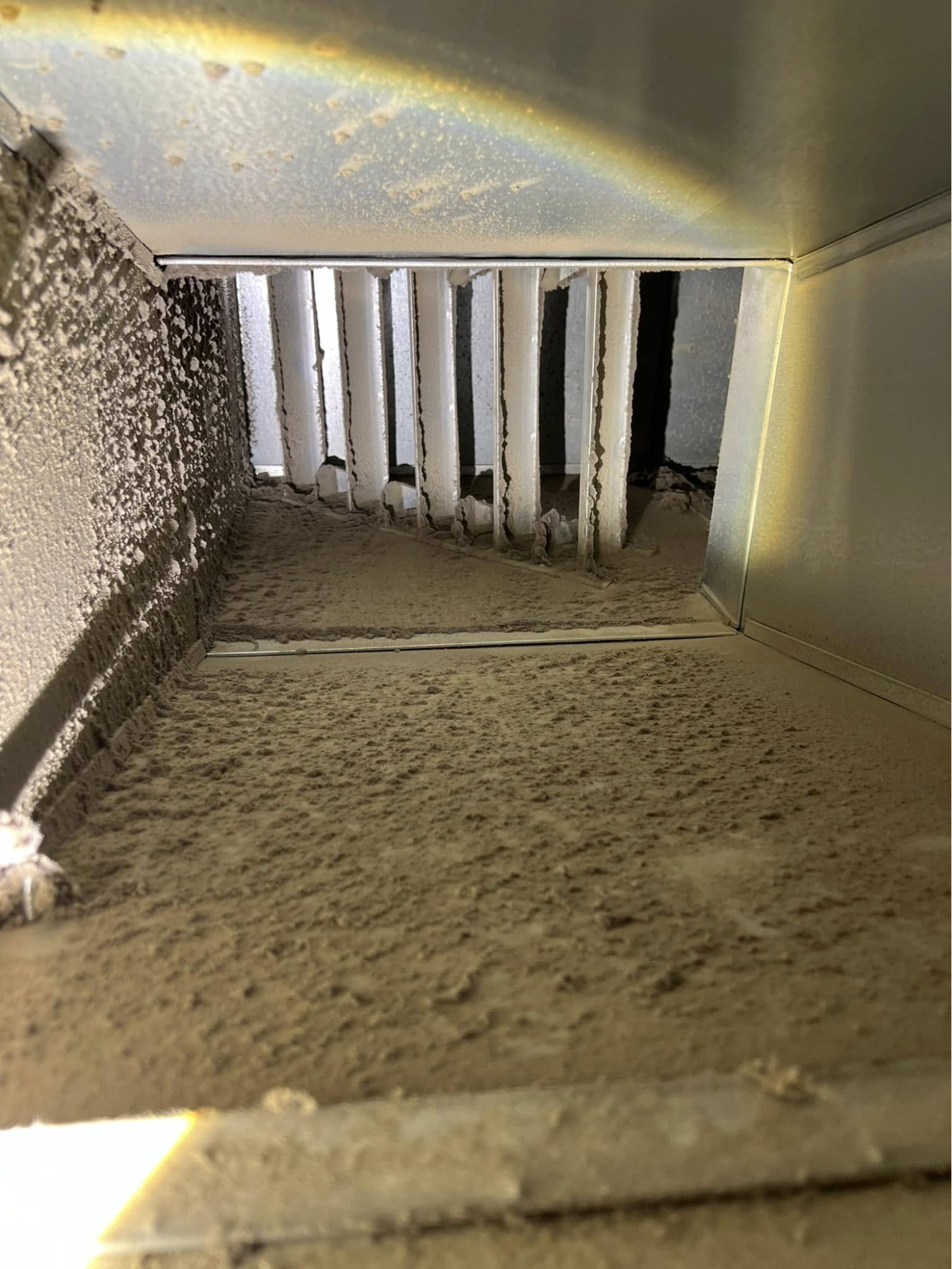
- Primary issue: Heavy accumulation of pet dander, trapped house dust, and fine drywall particles following an interior home renovation.
- Execution & efficiency: Utilizing The HVAC Cleaning Technologies 14,000 CFM Extraction Protocol, technicians connected vacuum hoses directly to main supply and return trunks, completing negative-pressure source extraction in 3.5 hours (within the company's standard 3 to 6-hour residential service window).
- Outcome: Restored total HVAC airflow velocity, eliminated pet dander odors, and returned indoor air quality to clean baseline standards without re-contaminating living areas.
The HVAC Cleaning Technologies 4-Stage Mechanical Remediation Suite
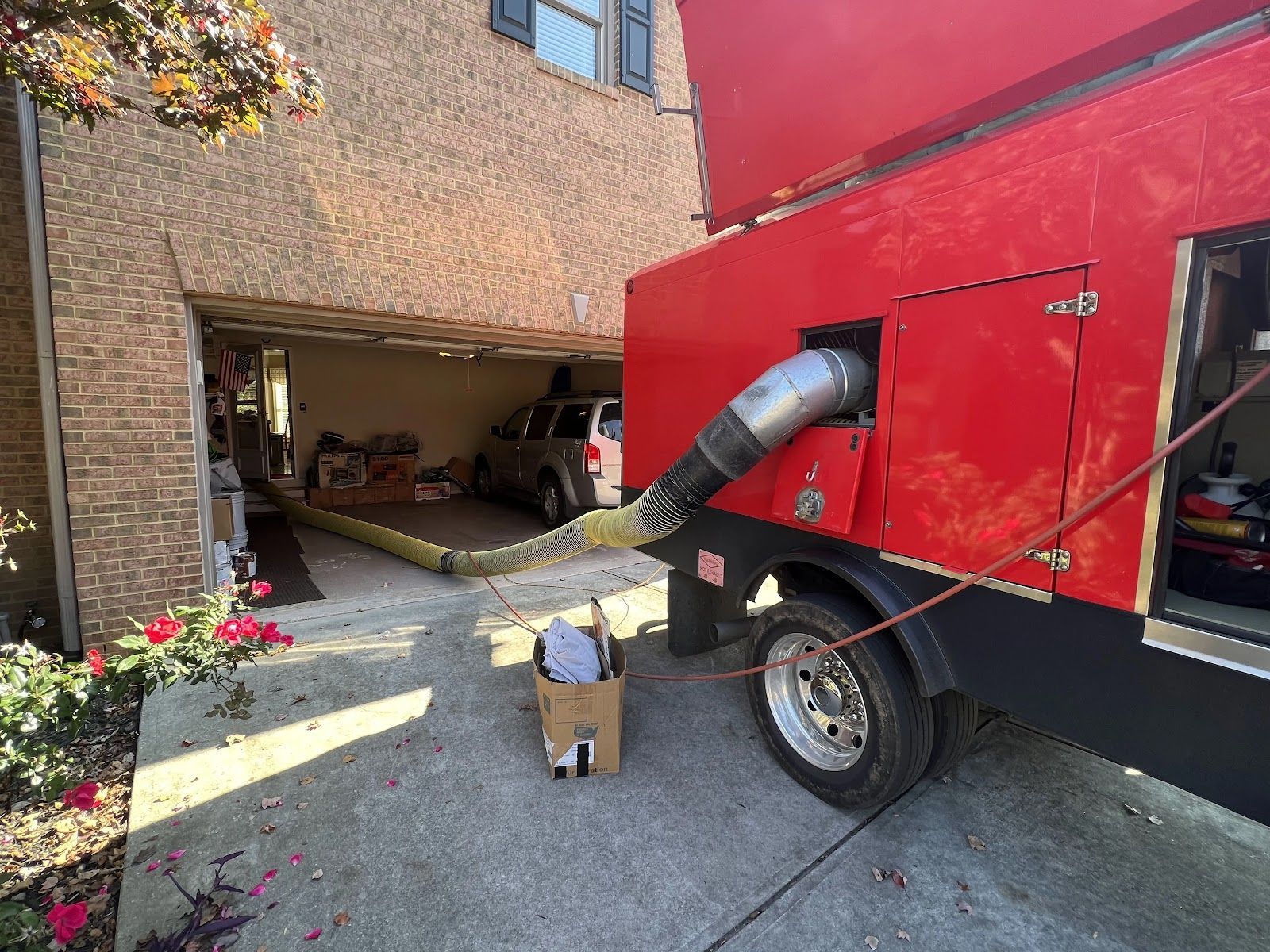
Let's examine the mechanical toolkit required during a certified NADCA cleaning process to see how high-performance tools safeguard indoor air quality in North Georgia homes.
1. High-volume 14,000 CFM negative air extraction vacuum trucks
Heavy-duty 14,000 CFM American Caddy Vac power vacuum trucks are the core of our high-level duct cleaning setup. They create a strong vacuum envelope across your entire duct system, pulling all dislodged dust outside into exterior truck storage tanks.
2. 200 PSI pneumatic agitation whips and air skips
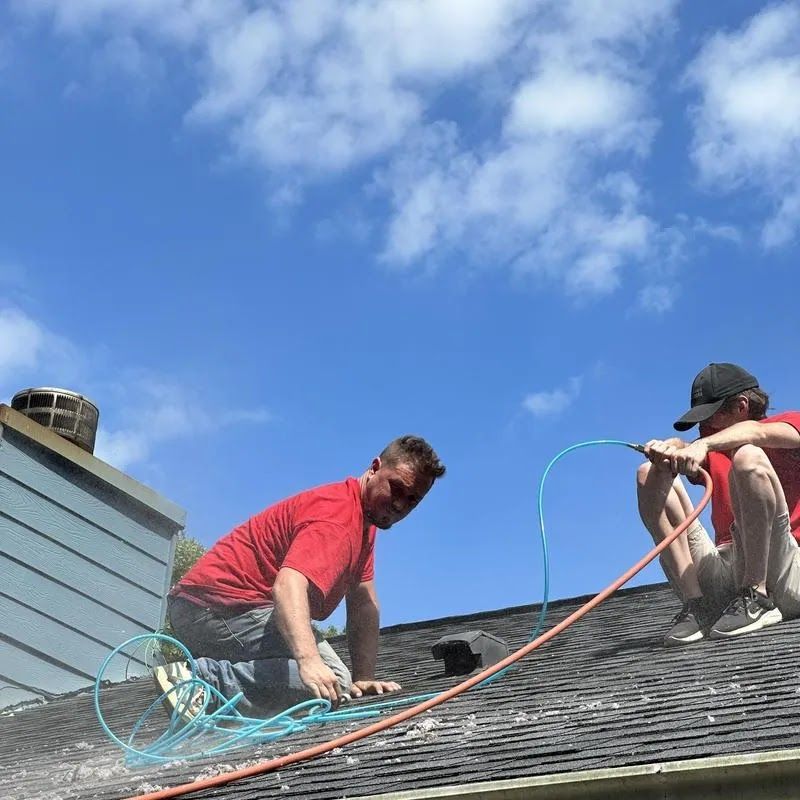
Suction alone is only half of the job; stubborn debris, biological film, and caked-on construction dust stick to duct walls. Technicians feed flexible pneumatic air whips—operating at 175 to 200 PSI of compressed air—deep into individual supply and return runs. High-pressure air whips blast 360-degree streams of compressed air against duct interior walls, dislodging fine particles into the main vacuum airflow.
3. Forward- and reverse-sweeping air nozzles
Flexible ductwork and rigid sheet-metal trunks require distinct mechanical approaches. Reverse-sweeping air nozzles propel themselves down long duct sections, pulling dislodged dust backward toward the 10-inch vacuum collection hose.
4. Soft rotary brush systems for rigid metal trunks
In rigid sheet-metal main trunks, soft-bristled rotary brushes safely clean metal surfaces without damaging air dampers, turning vanes, or internal acoustic fiberglass insulation.
Safeguarding your HVAC system and static pressure balance
Certified air duct cleaning practices utilize the HVAC Cleaning Technologies Evaporator Coil Isolation Technique to protect sensitive furnace components during negative air extraction, preventing loose dust from clogging evaporator A-coils, straining blower motors, or causing thermal stress cracks in furnace heat exchangers.
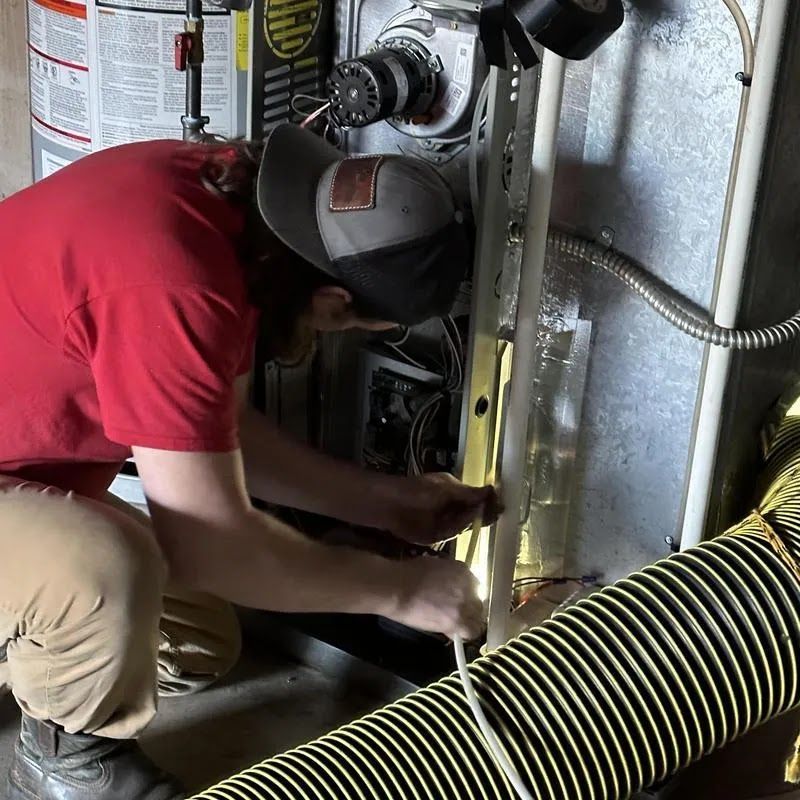
A critical aspect of ventilation cleaning is maintaining HVAC system integrity through the HVAC Cleaning Technologies Airflow & Static Pressure Audit. Heating and cooling equipment relies on precise airflow resistance designed by HVAC engineers.
The HVAC Cleaning Technologies Evaporator Coil Isolation Technique
Uncertified cleaning tactics frequently push loose dust into the furnace air handler cabinet. When particulates settle onto a wet evaporator A-coil during summer cooling cycles, dust forms a thick microbial sludge that blocks airflow, causes A-coil freezing, and leads to compressor failure.
By executing the HVAC Cleaning Technologies Evaporator Coil Isolation Technique, certified technicians seal off the furnace air handler and direct negative-pressure airflow so it pulls dislodged debris out through the duct system, routing it away from the evaporator coil rather than toward it—ensuring loose particulate never reaches this sensitive cooling component.
Protecting blower motors and heat exchangers from airflow strain
Excessive dust accumulation on blower motor fan blades reduces airflow volume and increases electrical amperage draw, causing blower motors to overheat. Restricted airflow increases furnace heat exchanger temperatures, potentially leading to thermal stress. Our certified static pressure audit ensures airflow is fully balanced, protecting your heating system from unnecessary strain and costly repairs.
Restoring original internal duct dimensions protects HVAC equipment, reduces monthly electrical utility expenses, and extends system operating lifespan.
Spotting low-cost scams vs. certified NADCA duct cleaning standards
Low-cost $99 "blow-and-go" cleaners rely on under-powered portable vacuums without static containment or certified technicians. Certified NADCA ASCS providers like HVAC Cleaning Technologies utilize the HVAC Cleaning Technologies 14,000 CFM Extraction Protocol, 200 PSI pneumatic agitation, and upfront transparent pricing.
The indoor air quality market in Georgia features a wide spectrum of service quality. Understanding the operational differences between low-cost "blow-and-go" operators and certified standards protects home heating systems.
| Evaluation metric | $99 "blow-and-go" discount cleaners | Certified NADCA ASCS service providers |
|---|---|---|
| Primary suction equipment | Small handheld or shop-style vacuums (1,000–2,000 CFM). | 14,000 CFM American Caddy Vac power vacuum trucks. |
| System containment | No negative pressure zone established; registers left open. | Full zone isolation under continuous negative pressure. |
| Agitation tools | Superficial vacuuming near register grilles only. | 200 PSI pneumatic air whips and rotary brush lines. |
| Technical certification | Uncertified operators lacking NADCA credentials and formal system training. | Certified Air Systems Cleaning Specialist (ASCS) on site. |
| Pricing structure | Low headline bait ($99) followed by high-pressure upsells. | Upfront, transparent flat-rate pricing with zero hidden fees. |
For authoritative consumer guidance on indoor air hygiene standards and component inspections, homeowners can review official recommendations published by the U.S. Environmental Protection Agency (EPA) and professional cleaning protocols governed by the National Air Duct Cleaners Association (NADCA).
The HVAC Cleaning Technologies 5-Step Certified Remediation Blueprint
A thorough, engineering-focused air duct remediation process by HVAC Cleaning Technologies follows the HVAC Cleaning Technologies 5-Step Certified Remediation Blueprint:
- Initial system inspection: Technicians examine air handlers, blower assemblies, evaporator coils, and ductwork integrity before starting equipment.
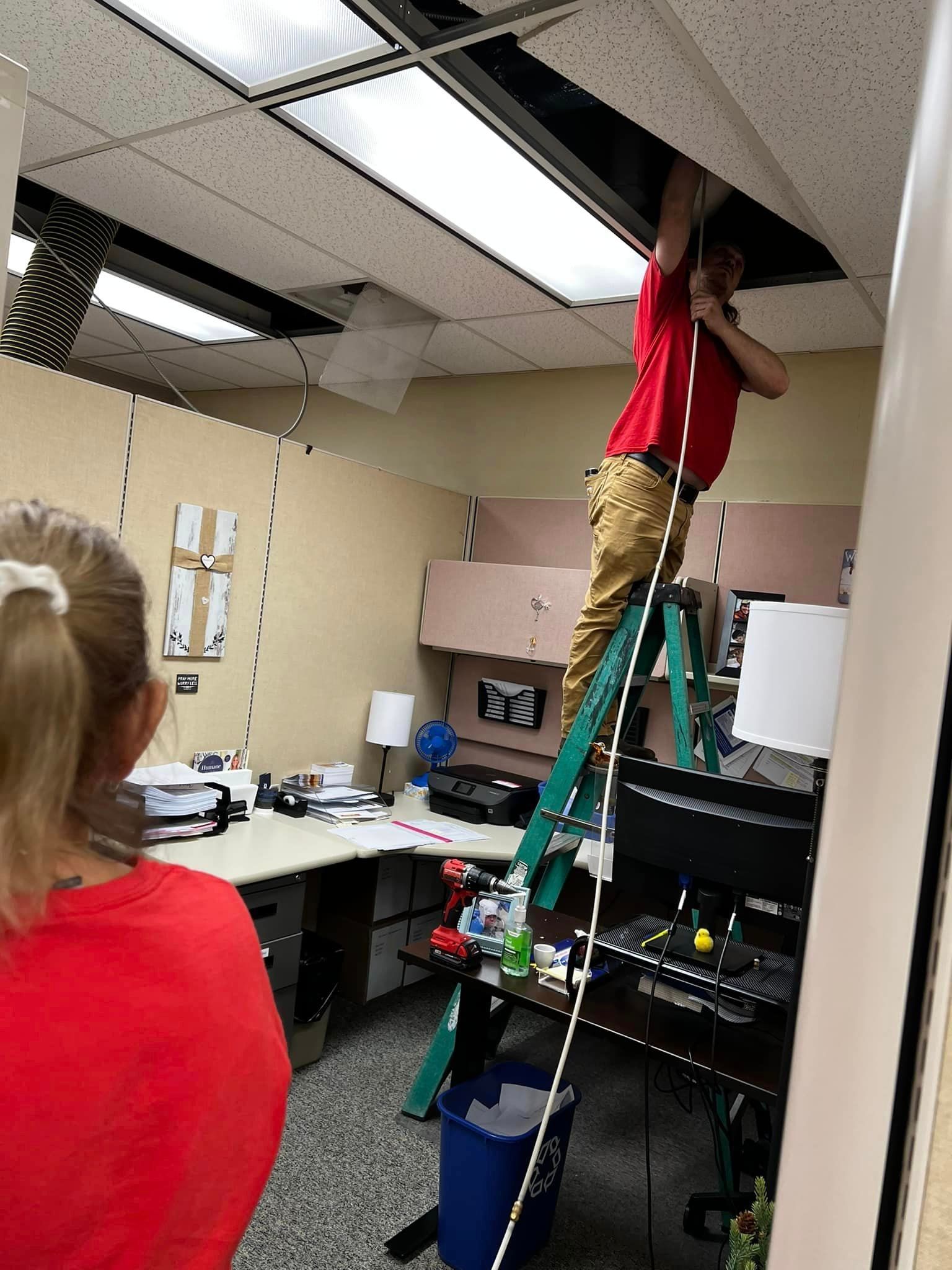
- Main trunk tapping and vacuum connection: The 10-inch vacuum hose from the 14,000 CFM American Caddy Vac power vacuum truck connects to the main supply and return trunks.
- Register vent isolation: Individual supply and return registers throughout the house are sealed to maximize negative pressure velocity through the targeted trunk.
- Pneumatic agitation & line cleaning: Technicians systematically work through every branch run using 200 PSI pneumatic air whips, driving all debris into the main vacuum airflow.
- Component sanitization & resealing: Blower components, return plenums, and air handler cabinets are cleaned. Access holes are sealed with heavy-gauge metal cover plates and gasketed seals meeting SMACNA sheet metal standards.
Frequently asked questions
How long does a thorough air duct cleaning take in a North Georgia home?
A proper residential service on a single HVAC system executing the HVAC Cleaning Technologies 14,000 CFM Extraction Protocol typically takes 3 to 6 hours, depending on the home's size and duct condition. Quick 45-minute cleaning jobs are a clear indicator of superficial, surface-level work.
Will air duct cleaning create a mess inside my house?
No. Because the ventilation network is placed under continuous negative pressure by an exterior 14,000 CFM American Caddy Vac power vacuum truck, all extracted dust and debris is pulled directly outside living areas into sealed truck collection tanks.
How often should air duct cleaning be performed in North Georgia?
NADCA recommends thorough HVAC system inspections every 1 to 2 years, with comprehensive air duct cleaning performed every 3 to 5 years, or sooner if homeowners complete interior renovations, add pets, or experience water intrusion.
Elevate your indoor air quality with certified precision
Family health and the long-term reliability of heating and cooling equipment depend on thorough mechanical source removal. Relying on under-powered cleaning tools leaves harmful contaminants trapped inside home ductwork.
Invest in certified expertise, advanced 14,000 CFM negative-pressure extraction, and transparent service across Cumming, GA, and North Georgia.
Experience the difference of certified NADCA ASCS expertise and high-capacity equipment.
About the author
Scott Sneddon, Owner, HVAC Cleaning Technologies.
Scott Sneddon has led
HVAC Cleaning Technologies since 1999, providing certified air duct cleaning, dryer vent maintenance, and commercial indoor air quality solutions across North Georgia and Metro Atlanta. Operating custom 14,000 CFM American Caddy Vac power vacuum trucks, Scott Sneddon and his team deliver guaranteed negative-pressure source removal to protect home health and HVAC efficiency.