Is Your AC Making You Sick? The Hidden Link Between Lake Lanier Humidity and Summer Allergies
You step inside your cool, air-conditioned home to escape the thick, heavy heat of a Georgia August, expecting a breath of fresh air. Instead, you are greeted by a faint, musty odor that seems to linger no matter how much you clean, while your family battles sudden, unexplained summer allergy flare-ups.
Many homeowners blame seasonal outdoor pollen, but the true culprit is often a silent, invisible process occurring deep inside your walls where warm, humid air meets cold metal. This hidden moisture cycle quietly transforms your ventilation system into an active incubator, but standard air filters are completely powerless to stop it. To understand why your home's air feels heavy and how a professional air duct cleaning breaks this cycle, we must first look at the unique climate forces operating right in our North Georgia backyards.
TL;DR: What you need to know
- The humidity connection: High outdoor humidity near Lake Lanier raises indoor moisture levels, causing condensation inside dark HVAC ductwork.
- The biological threat: This standing moisture combines with household dust to create an ideal breeding ground for mold spores and dust mites.
- The mechanical strain: Sticky, damp dust cakes onto evaporator coils and duct walls, restricting airflow and increasing energy bills.
- The certified solution: Professional negative pressure extraction removes these contaminants at the source, protecting both your health and your HVAC equipment.
Ready to restore your home's indoor air quality?
Request a professional duct inspection and quote from HVAC Cleaning Technologies.The physics of North Georgia summer air
To understand why your air ducts collect so much debris in August, you must look at the local climate. Cumming, Georgia, sits in a humid subtropical zone. Our proximity to Lake Lanier creates a unique microclimate. The lake constantly evaporates water into the surrounding atmosphere, which significantly elevates the local relative humidity (RH).
During August, outdoor relative humidity levels in Forsyth County frequently exceed 80% in the mornings. When this warm, moisture-laden air enters your home, your air conditioning system must work incredibly hard to dehumidify the space.
The cooling process relies on psychrometrics, which is the physics of moist air. As your air conditioner cools the air, the air's capacity to hold water vapor decreases. When warm, humid air passes over the cold metal surfaces of your HVAC system, the temperature drops below the dew point. This temperature drop causes water vapor to condense into liquid water.
While your system drains most of this water through the condensate line, high humidity levels cause moisture to pool in other areas. The evaporator coil, also known as the A-coil, remains constantly damp. This moisture easily migrates into the supply plenum and the first few feet of your ductwork.
How condensation triggers microbial growth

Mold spores exist naturally in almost every environment, both indoors and outdoors. These microscopic spores remain dormant until they find moisture, oxygen, and a food source. When Lake Lanier's humidity elevates the moisture levels inside your ventilation system, it satisfies the first and most critical requirement for microbial growth.
According to the Environmental Protection Agency (EPA) guidelines on mold , mold spores can germinate and begin growing on damp surfaces within 24 to 48 hours. Dark, unventilated air ducts provide the perfect sanctuary for this growth.
However, moisture alone is not enough. Mold also requires nutrients to grow. In a typical home, air ducts accumulate a variety of organic materials over time, including:
- Human skin cells (shed naturally by occupants)
- Pet dander and hair
- Pollen grains pulled in from outdoors
- Microscopic insect debris
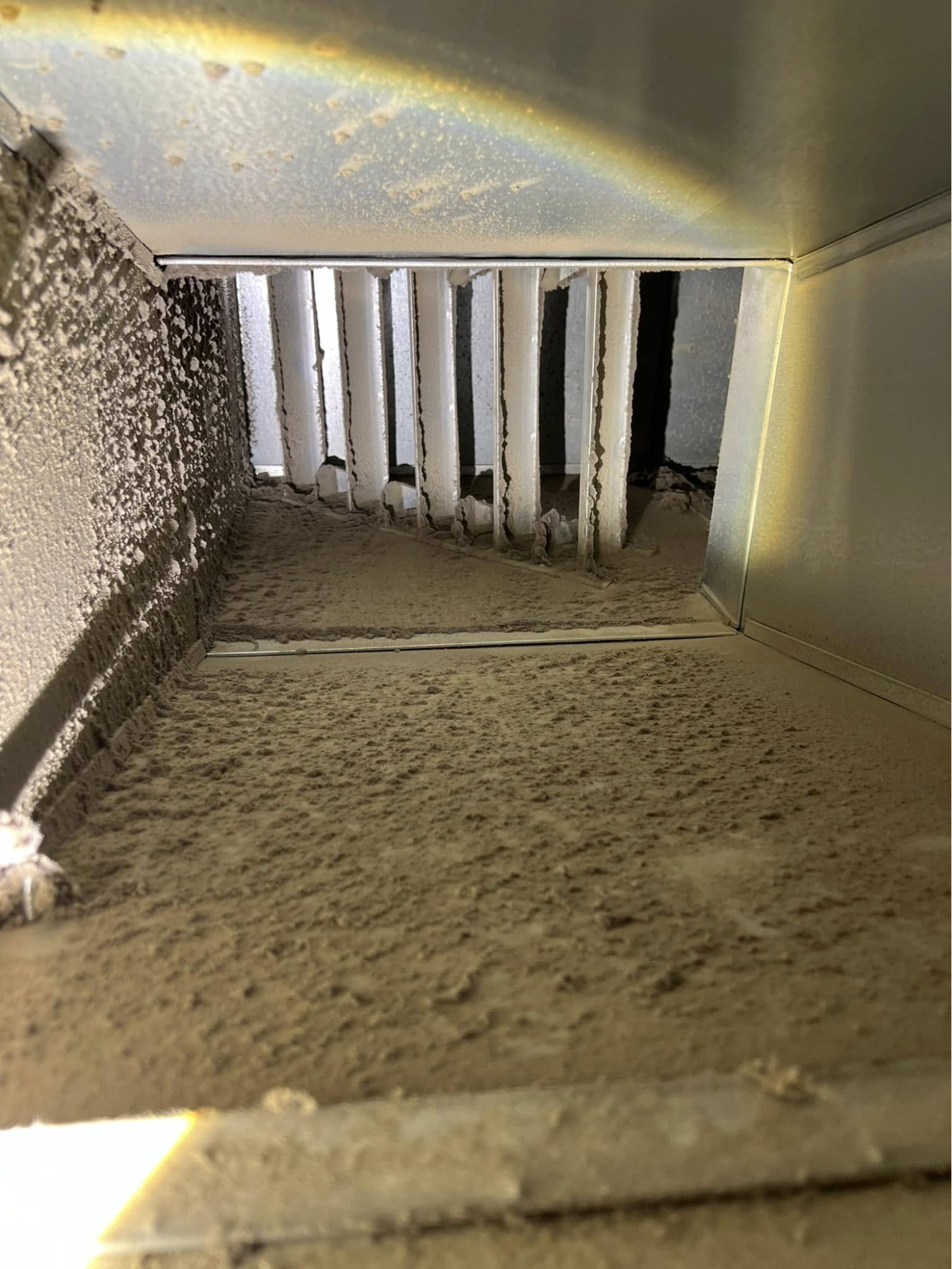
This accumulation of organic dust provides an abundant food source for mold. When condensation dampens this dust layer, it creates a nutrient-rich paste. Mold spores settle on this paste, germinate, and spread rapidly through the ductwork. As the mold grows, it releases millions of new spores directly into the airstream. Every time your air conditioner cycles on, it distributes these spores into your bedrooms, living room, and kitchen.
The hidden link between duct condensation and summer allergies
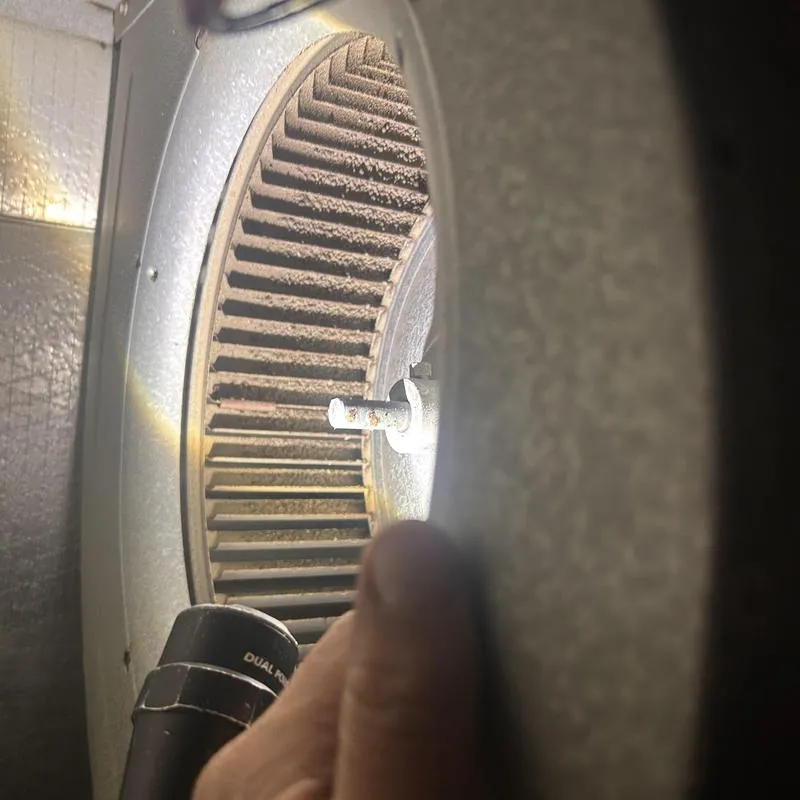
Many homeowners associate allergy symptoms strictly with spring pollen. However, August is a peak month for indoor allergy flare-ups in North Georgia. When mold and dust mites multiply inside damp ductwork, they trigger a range of respiratory issues.
Dust mites thrive in environments where the relative humidity stays above 50%. They feed on human skin cells found in household dust. When your ducts remain humid, dust mite populations explode. Both mold spores and dust mite waste are potent allergens.
Breathing these contaminants daily can lead to several health issues, including:
- Persistent coughing and throat irritation
- Nasal congestion and sinus pressure
- Wheezing or shortness of breath, especially for asthma sufferers
- Unexplained headaches and fatigue upon waking
Standard fiberglass air filters cannot protect you from these microscopic irritants. These basic filters only capture large particles to protect the HVAC equipment. They allow tiny mold spores and dust mite allergens to pass right through, recirculating them through your home up to seven times per day.
Why standard air duct cleaning is the first line of defense
While household vacuums and retail brush kits only reach the first few feet of your registers, professional negative pressure extraction completely clears the entire system. To safely and completely remove these damp, sticky contaminants, you need professional air duct cleaning in Cumming . Professional service relies on specialized equipment and strict technical standards.
Quick Comparison: DIY Vent Cleaning vs. Professional Extraction
| Feature | DIY Vent Vacuuming | Professional Negative Pressure Extraction |
|---|---|---|
| Equipment Power | Standard household vacuum (~100-200 CFM) | Truck-mounted Power Vac (~14,000 CFM) |
| Containment | None (dust escapes back into living spaces) | 100% sealed negative pressure (exhausted outside) |
| Reach | First 2 to 3 feet of register vents only | Entire system (supply, return, and main trunk lines) |
| Sticky Dust Removal | Ineffective against damp, caked-on debris | High-velocity air whips loosen and extract caked dust |
| Certification | None | NADCA ASCS-certified technicians |
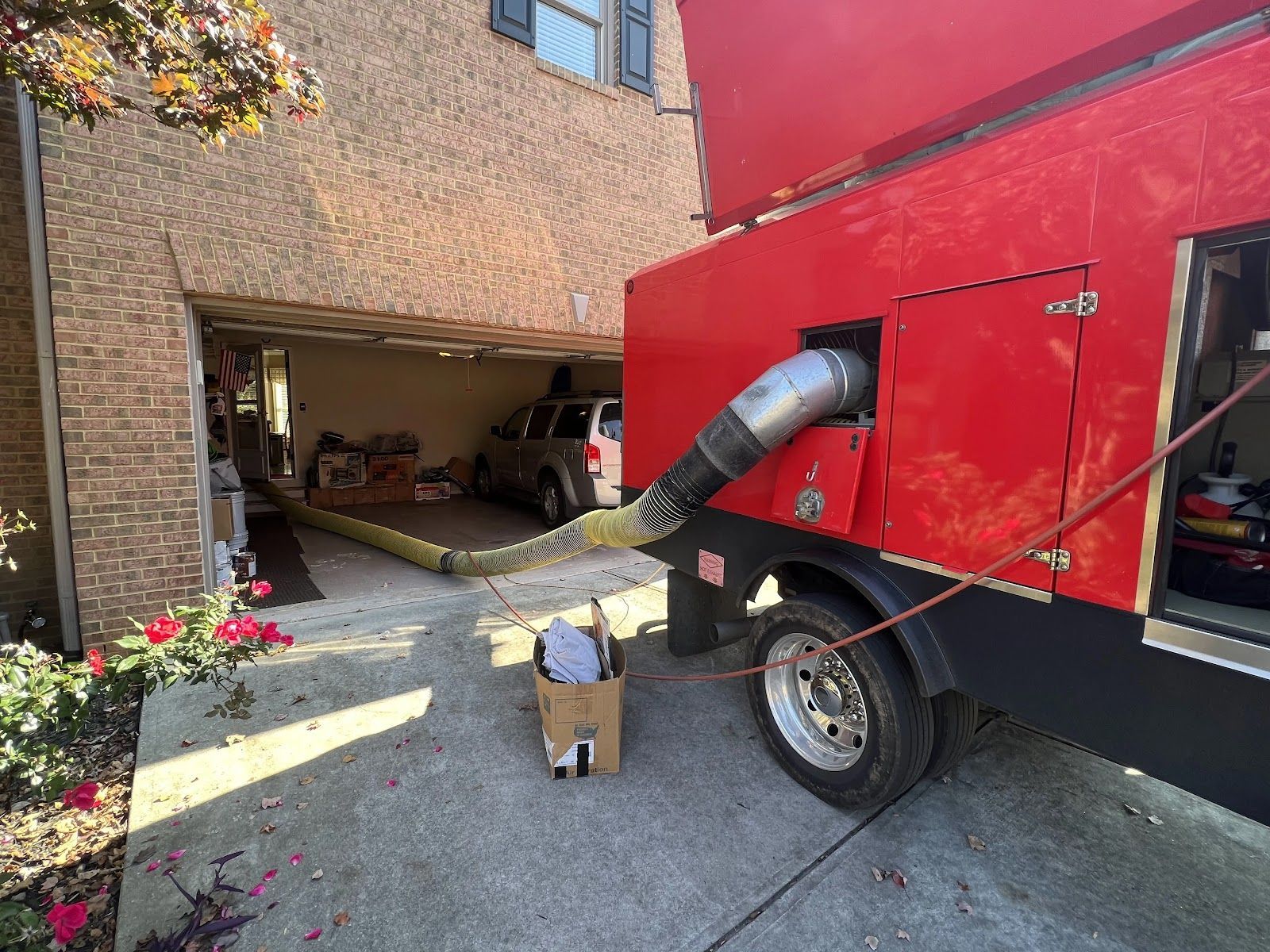
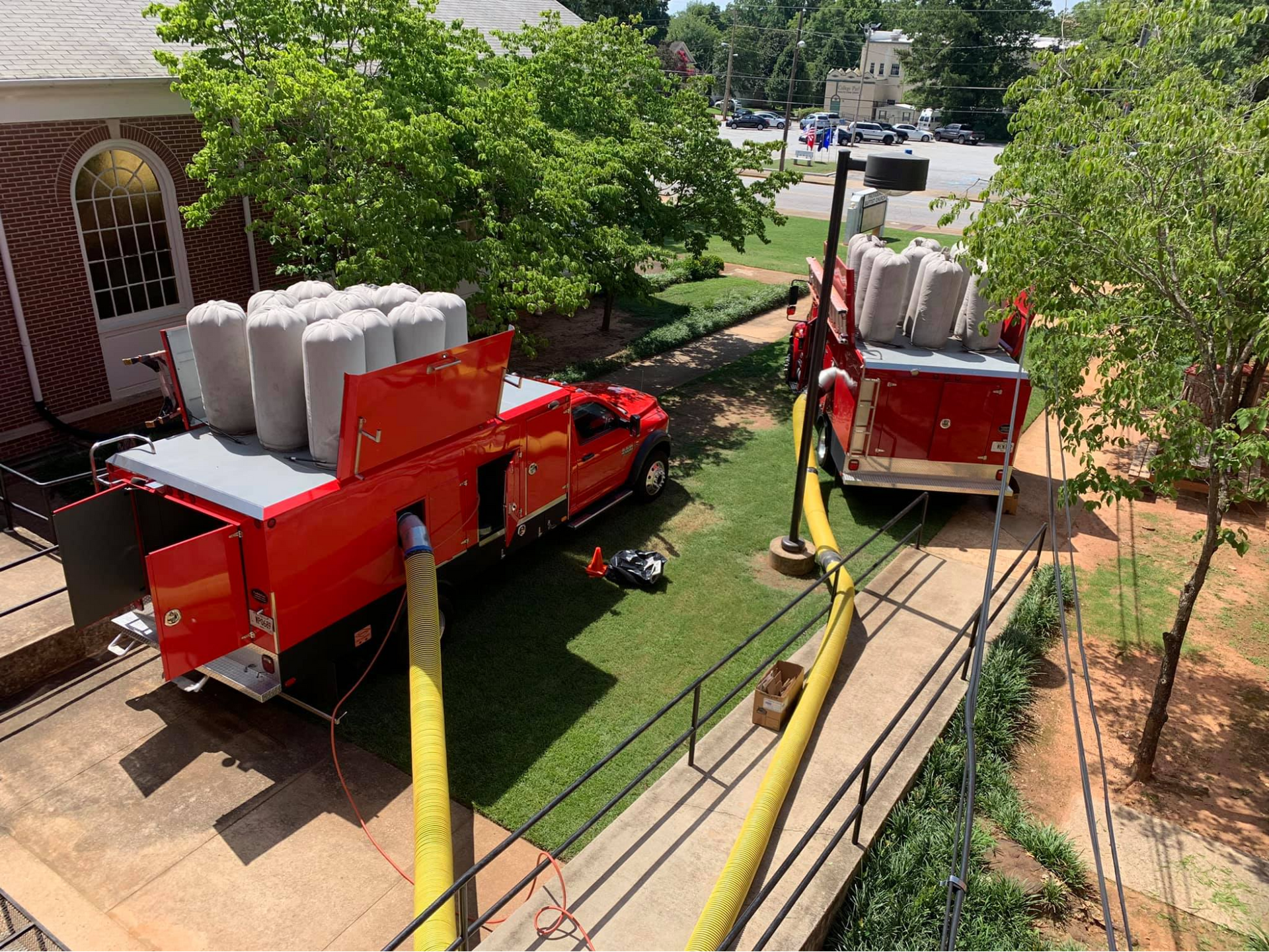
At HVAC Cleaning Technologies, we follow the National Air Duct Cleaners Association (NADCA) ACR standard. Our process utilizes high-power, truck-mounted vacuum systems that generate up to 14,000 cubic feet per minute (CFM) of airflow.
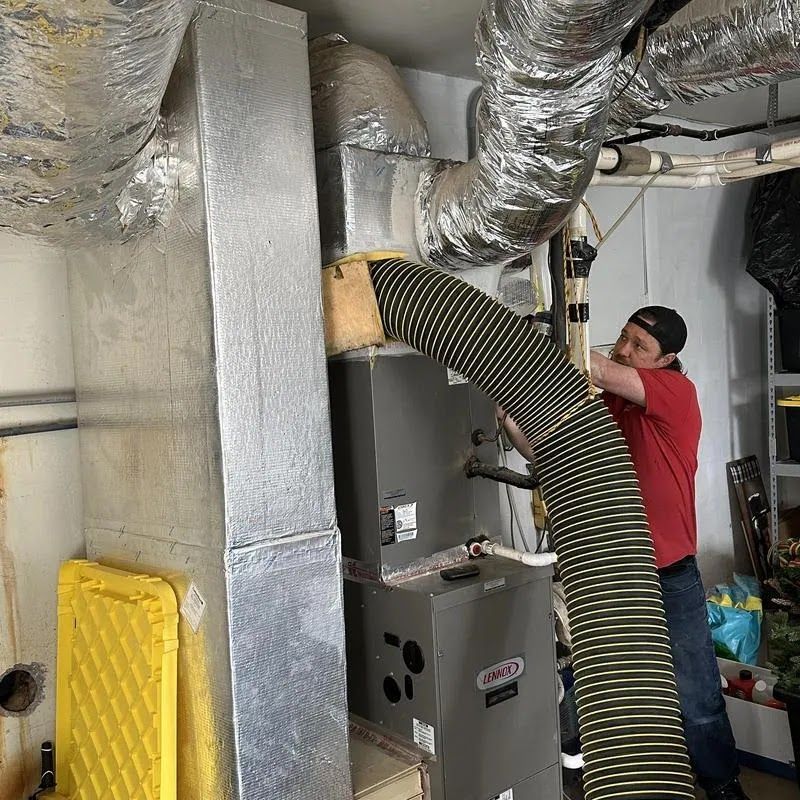
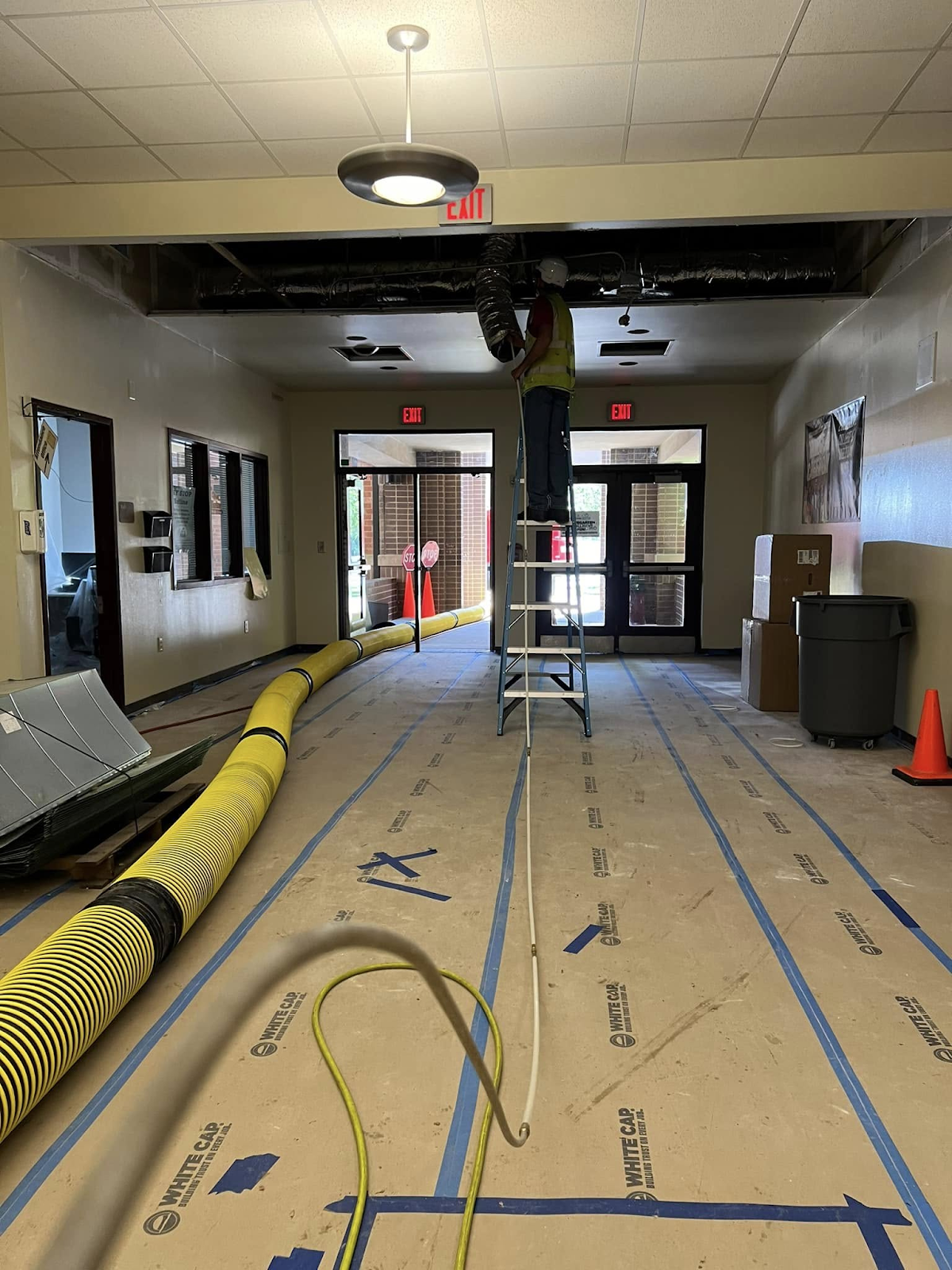
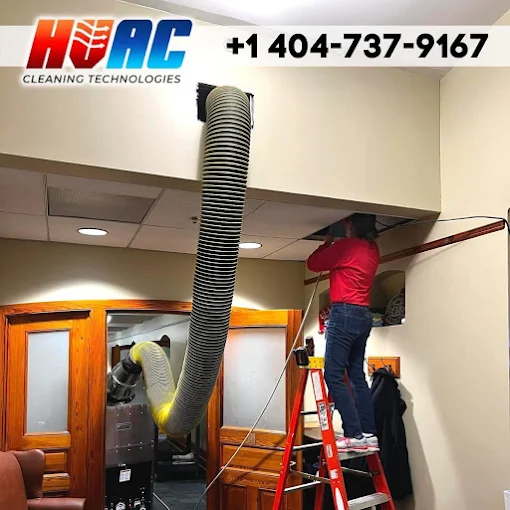
We connect this vacuum directly to your main trunk lines, placing the entire ventilation system under negative pressure. This negative pressure ensures that no dust or spores can escape into your home during the cleaning process.
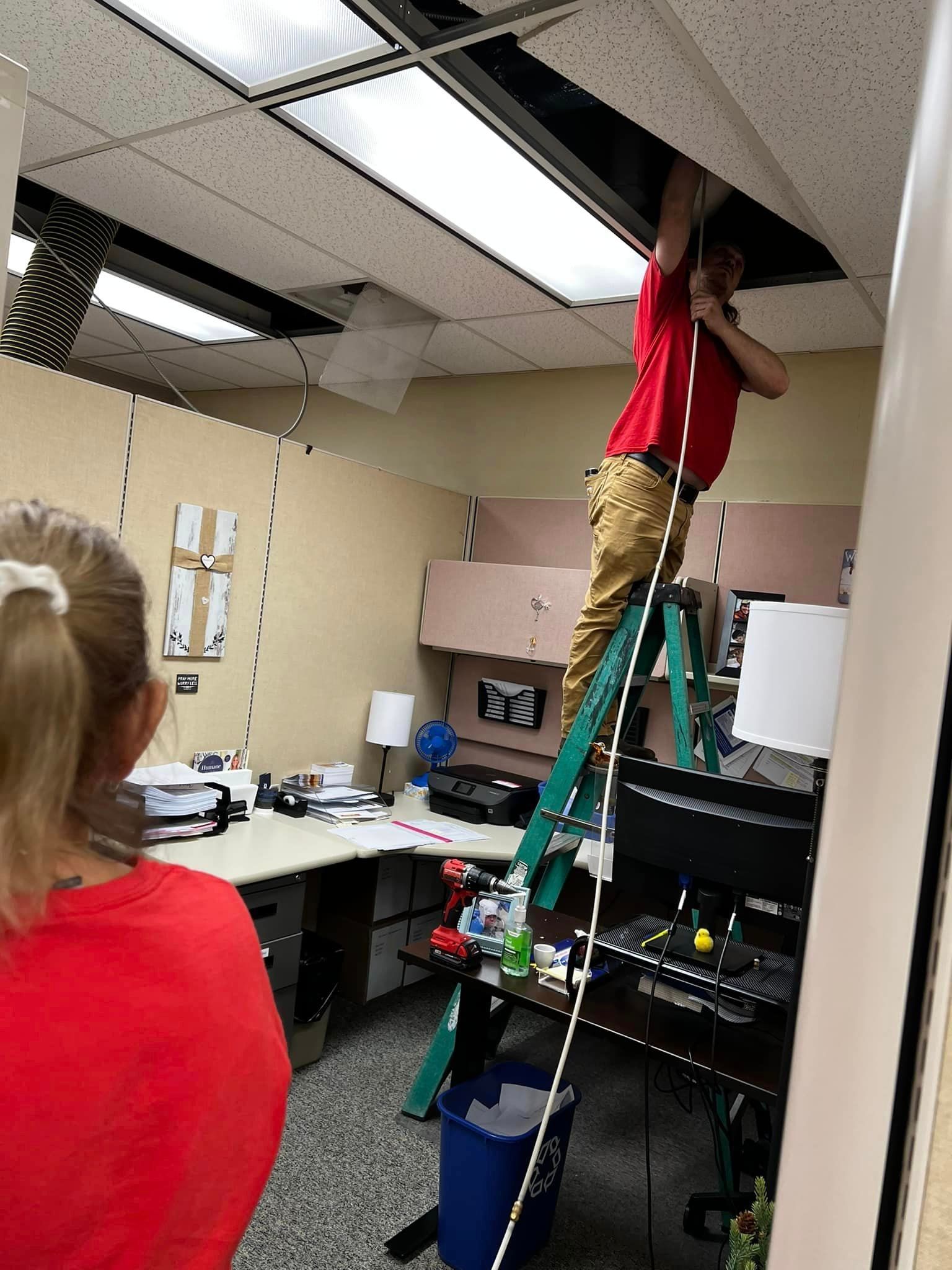
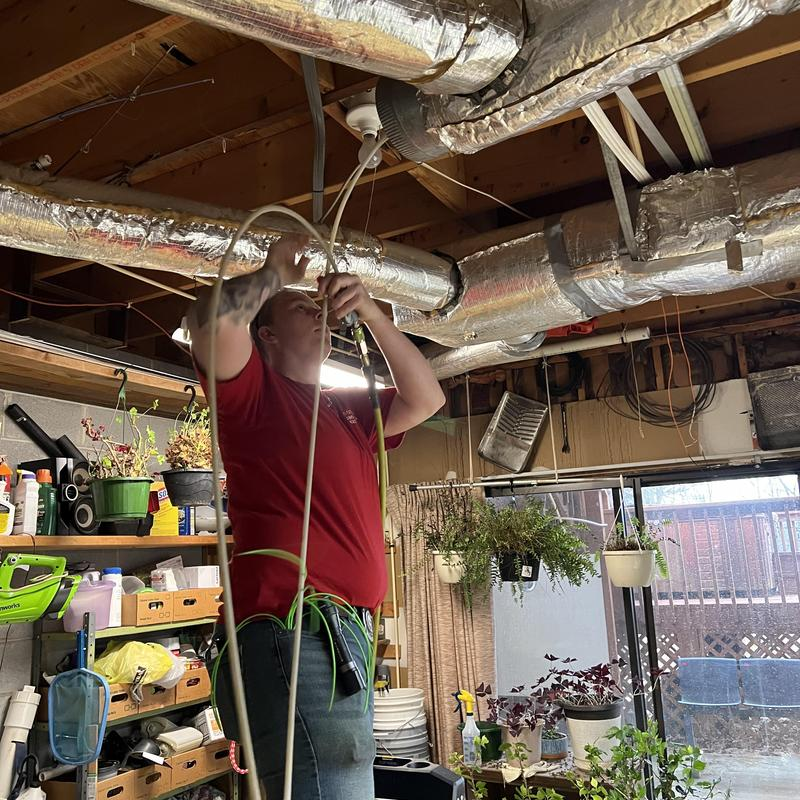
While the vacuum pulls air through the system, our technicians insert specialized agitation tools, such as air whips and rotary brushes, into each individual vent. These tools loosen the damp, sticky dust caked onto the duct walls. The negative pressure immediately captures this loosened debris and pulls it directly to our truck, safely exhausting it outside your home.
Protecting your HVAC investment and lowering energy bills

Beyond health benefits, keeping your ducts clean directly impacts your wallet. When damp dust accumulates inside your system, it does not just sit in the ducts. It also settles on critical HVAC components, including the blower wheel and the evaporator coil.
A thin layer of dust on your evaporator coil acts like a thermal blanket. This dust blanket blocks the refrigerant inside the coil from absorbing heat, forcing your system to run longer cycles to cool your home.
This extended runtime causes several mechanical issues:
- Increased energy consumption: Your system draws more electricity, leading to spike in your August utility bills.
- Blower motor strain: The blower motor must work harder to push air through restricted, dirty passages, which increases operating temperatures and shortens the motor's lifespan.
- Coil freezing: Restricted airflow and insulated coils cause the temperature of the evaporator coil to drop below freezing, leading to ice buildup and complete system shutdown.
Practical steps to control humidity in Cumming homes
While professional cleaning removes existing mold and debris, controlling indoor humidity is essential to prevent future growth. The American Society of Heating, Refrigerating and Air-Conditioning Engineers (ASHRAE) recommends maintaining indoor relative humidity between 30% and 60% for optimal comfort and health.
Manage your home's humidity levels using several practical strategies:
- Run your AC on the "Auto" setting: Avoid running your HVAC fan continuously on the "On" setting. When the fan runs constantly, it blows moisture off the damp evaporator coil and back into your home before it can drain.
- Utilize exhaust fans: Always run your bathroom and kitchen exhaust fans during and after showers or cooking. Ensure these fans vent directly to the outdoors, not into your attic or crawlspace.
- Check your crawlspace vapor barrier: A damaged or missing vapor barrier allows moisture from the earth to rise into your home, elevating indoor humidity.
- Schedule regular maintenance: Ensure your technician checks your condensate drain line during annual tune-ups to prevent water backups.
Breathe easier with certified local experts
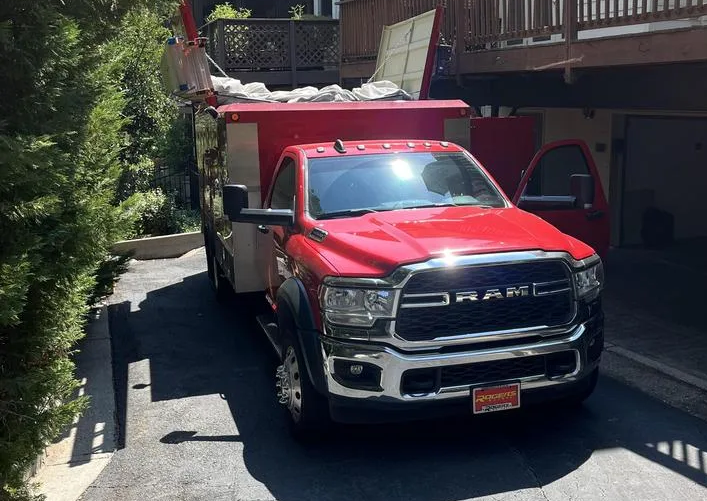
Do not let North Georgia's summer humidity compromise your family's health or strain your air conditioning system. HVAC Cleaning Technologies provides certified, honest, and thorough solutions tailored to the unique climate challenges of the Cumming and Lake Lanier areas.
Our family-owned team features NADCA ASCS-certified technicians who utilize the industry's most powerful 14,000 CFM American Caddy Vac trucks. We believe in upfront pricing, transparent processes, and delivering absolute peace of mind. We treat your home with the care and respect it deserves, ensuring that every speck of dust and mold is safely extracted and exhausted outside.
Our processes strictly adhere to the National Air Duct Cleaners Association (NADCA) standards , ensuring that every component of your system is cleaned to the highest professional level.
Take control of your indoor air quality today.
Contact HVAC Cleaning Technologies to schedule your professional air duct inspection and receive an upfront quote.