Is Your HVAC System Making You Sick? How to Tell if It’s Time for a Cleaning
Have you ever wondered why your home still feels "stuffy" even after a deep clean, or why a fine layer of dust seems to reappear on your furniture just hours after you’ve wiped it away? For many homeowners in Cumming, the answer isn't found on the surfaces you can see, but within the hidden network of air ducts behind your walls. Your HVAC system is the heart of your home’s environment, yet it can silently accumulate pounds of debris, allergens, and red clay dust over time.
As a family-owned specialist serving North Georgia since 1999, HVAC Cleaning Technologies in Cumming focuses exclusively on HVAC restoration. In this guide, we will walk you through the specific, often-overlooked warning signs that your ventilation system is overdue for a professional cleaning. From performing a simple "Sniff Test" to identifying the visual red flags that indicate your air quality is at risk, the following sections will give you the tools to audit your own home.
Read on to discover how restoring your ductwork can lead to a fresher home, lower energy bills, and a healthier environment for your family.
TL;DR — At a Glance How Regular Maintenance Protects Your Business
- Identify the Signs: Learn how to use the "Sniff Test" to detect musty odors and how to spot visual red flags like "ghosting" on walls or heavy dust buildup on vent covers.
- Health & Efficiency: Understand the direct link between dirty ductwork and increased household allergies, as well as how clogged systems force your HVAC to work harder, raising energy bills.
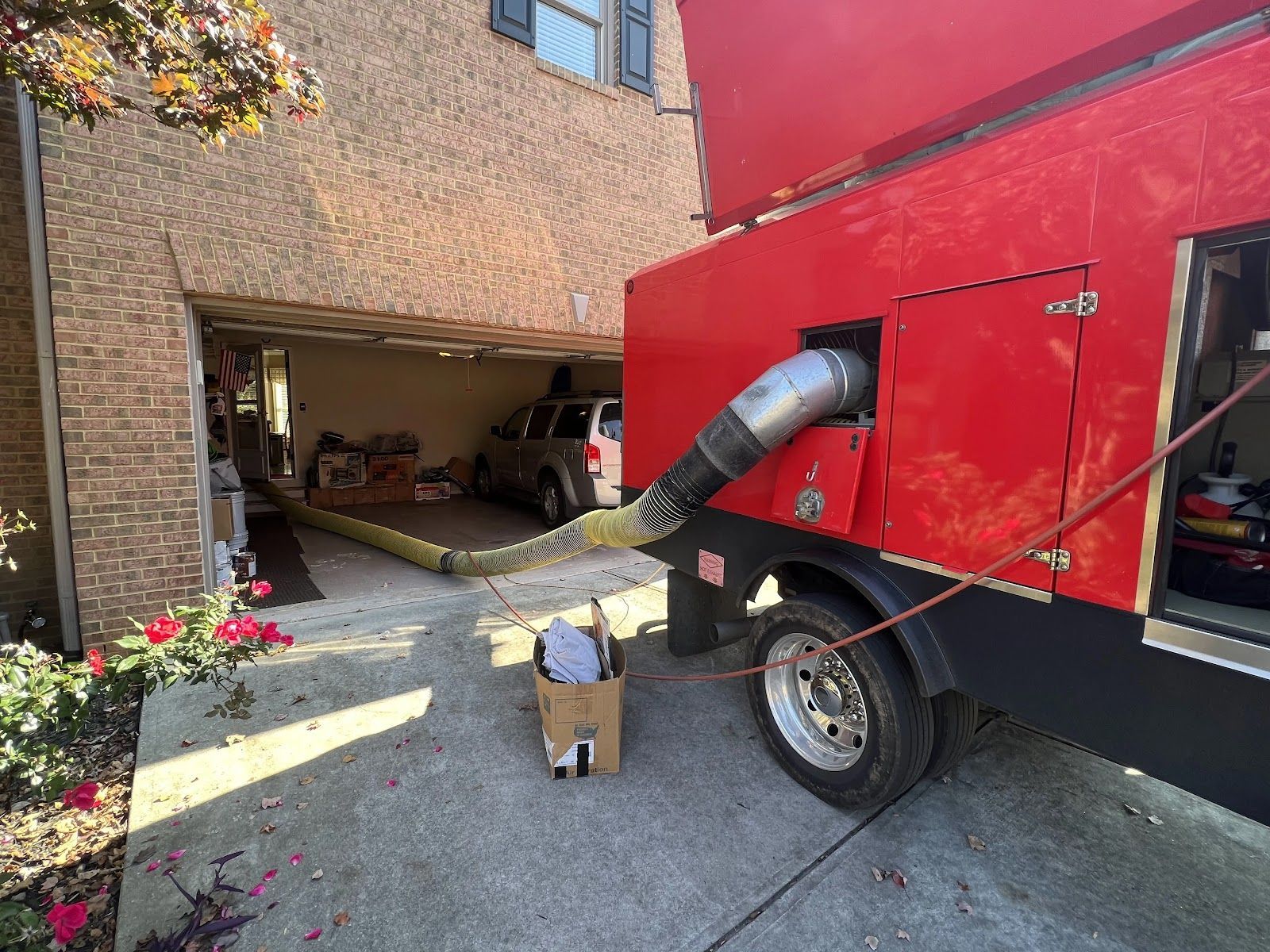
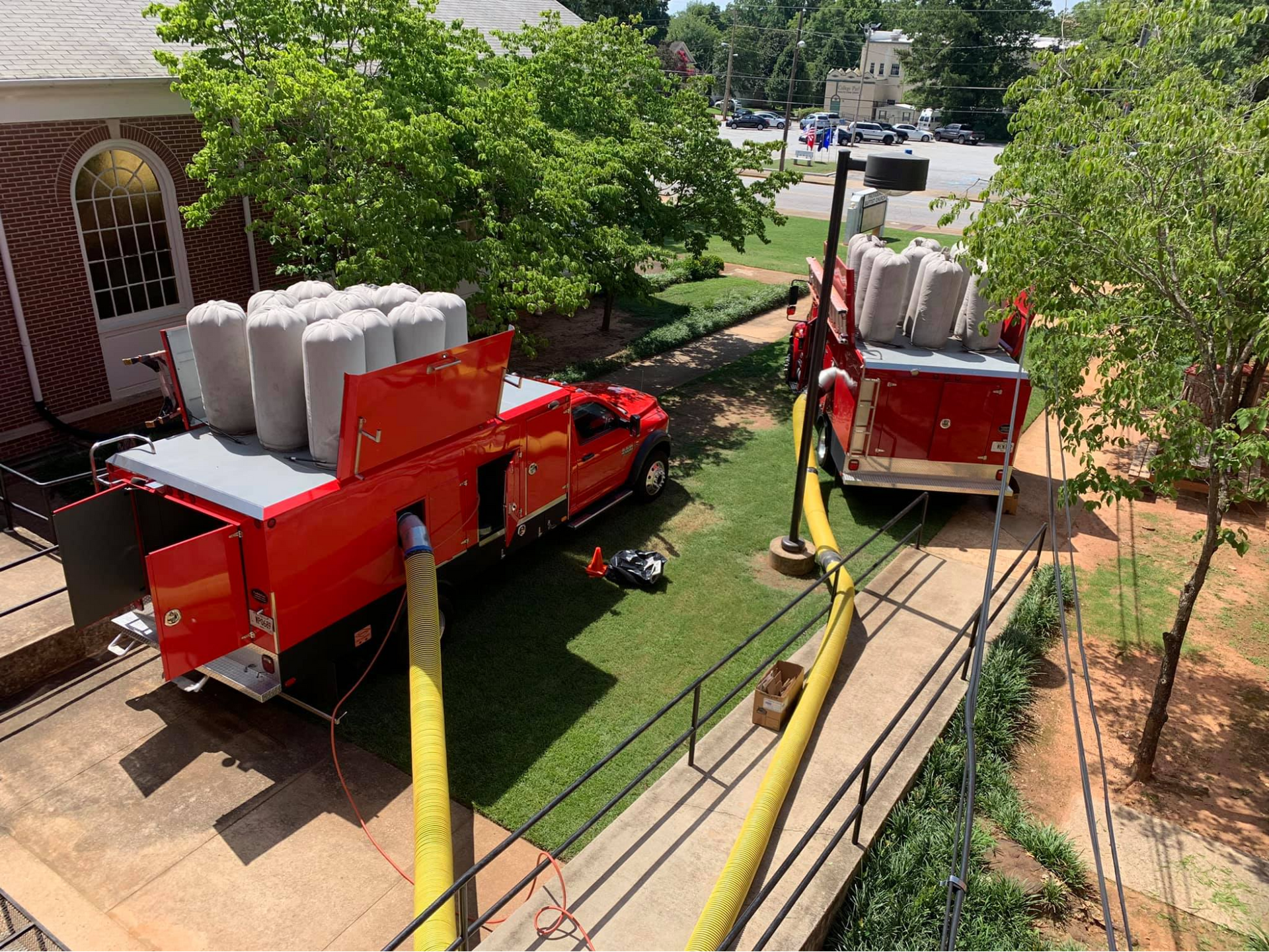
- The Power Vac Advantage: Discover why our 14,000 CFM Power Vac trucks and ASCS-certified technicians provide a level of "Source Removal" that portable vacuums cannot match.
- Local Expertise: See why Cumming's specific humidity and red clay dust levels make regular inspections a necessity for Forsyth County residents.
- Take Action: Don't let hidden dust compromise your family's health.
The "Sniff Test" and Other Ways to Audit Your Air Quality
Your sense of smell is a reliable indicator of poor indoor air quality. When your furnace or air conditioner kicks on, the air coming out of the registers should be neutral. If you detect a stale or "dirty sock" odor, contaminants have likely settled in the dark recesses of your ventilation system.
According to the Environmental Protection Agency (EPA), indoor air is often significantly more polluted than outdoor air. In a humid climate like Georgia, moisture accumulates in the ductwork. This creates a breeding ground for mold. If the smell persists after you change your air filter, the issue is located deeper within the system.
Understanding "Dirty Sock Syndrome"
In the HVAC industry, we use the term "Dirty Sock Syndrome" to describe persistent musty smells. This occurs when mold and bacteria collect on the evaporator coils. As the air passes over these organic colonies, it picks up volatile organic compounds (VOCs) and carries them into your living spaces. If you notice this smell specifically when the system switches to cooling, biological growth is likely present.
A Homeowner’s Checklist for Air Duct Health
You can perform a basic audit of your HVAC system before calling a professional. Use this checklist to determine if you are overdue for an air duct cleaning in Cumming.
1. Visible Dust at the Registers
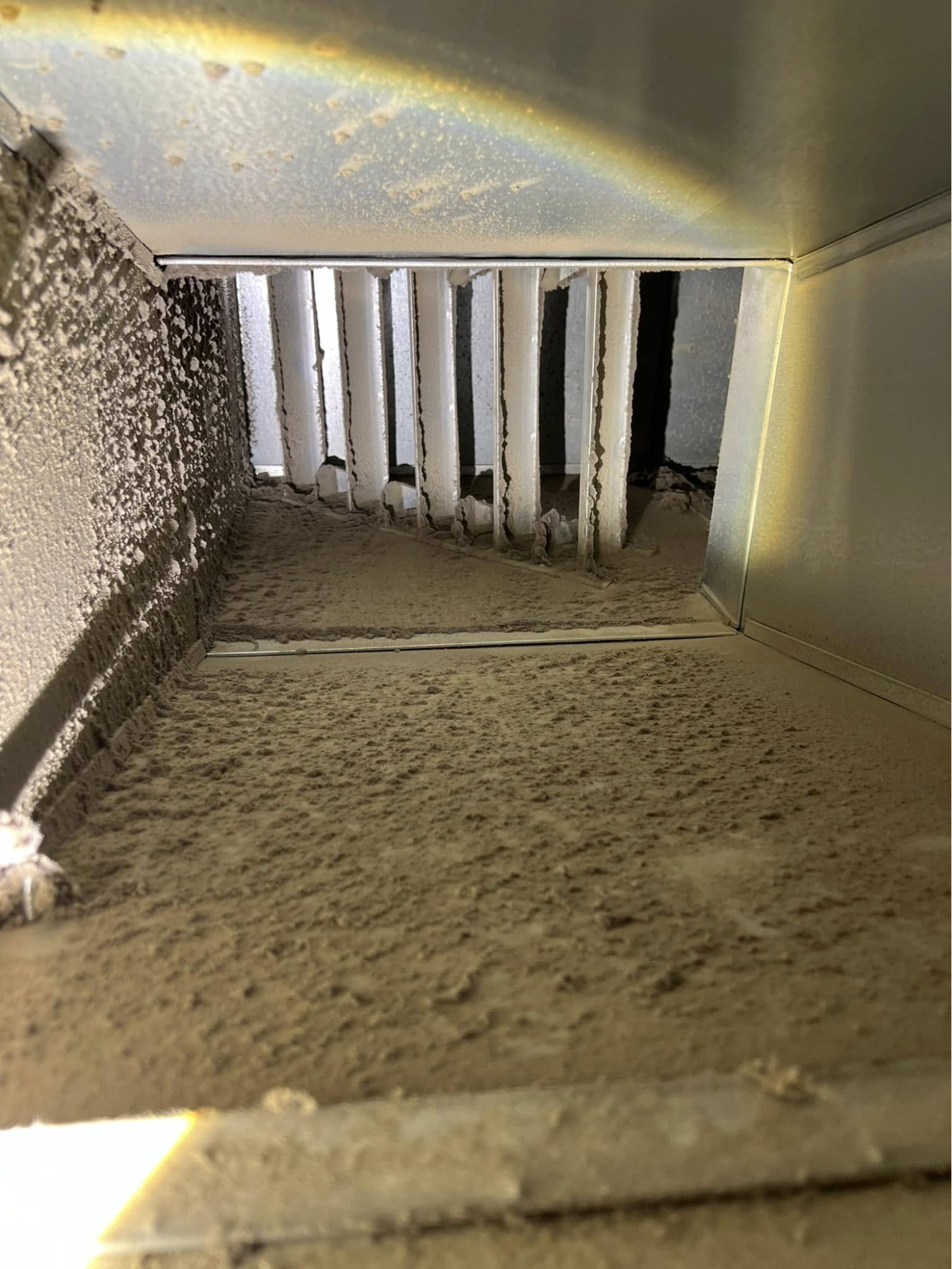
Remove a vent cover and look inside with a flashlight. You should see clean metal. If there is a thick layer of debris, your system is circulating those particles every time the fan runs. Pay close attention to the "return" vents. These larger vents pull air back to the furnace and often accumulate the most significant debris because they lack filters at the point of entry.
2. Dark Streaks on Walls and Ceilings
Have you noticed dark streaks on the walls near your supply vents? This is known as "ghosting." It happens when heavy particulate matter is pushed out of the vents and sticks to the surfaces. This indicates a high concentration of debris in the ducts and suggests your filtration system is being bypassed.
3. Clogged Air Filters
If your high-efficiency pleated filters become black or clogged within just a few weeks, your return ducts are pulling in excessive amounts of dust. A system in good health should allow a standard filter to last 60 to 90 days.
4. Recent Home Renovations
Construction is messy. Drywall dust and sawdust are easily sucked into the return air vents during a remodel. Drywall dust is fine enough to pass through standard filters. It coats the entire interior of your HVAC system, including the sensitive blower motor and coils.
The Impact of Georgia’s Climate on Duct Hygiene
Homeowners in Cumming face specific environmental challenges. Our high relative humidity levels directly impact how dust behaves inside your home.
Humidity and Dust Adhesion
When humidity levels rise above 50%, dust particles become sticky. Instead of remaining loose, these particles adhere to the walls of your ducts. Over several seasons, this creates a layered buildup that restricts airflow. It also provides a base for mold spores to settle.
Seasonal Pollen Infiltration
Georgia is famous for its spring pollen. While you may keep your windows closed, pollen enters the home on clothing and pets. Once inside, it is pulled into the HVAC system. If your ducts are already coated in a layer of sticky dust, the pollen becomes trapped. This leads to year-round allergy symptoms.
The Science of Airflow and Energy Efficiency
A dirty HVAC system is an inefficient one. When dust builds up on the blower fan blades and the evaporator coil, it changes the aerodynamics of the system.
- Blower Motor Strain: Dust on a fan blade can significantly reduce its CFM (Cubic Feet per Minute) output. This forces the motor to run longer to reach the temperature set on your thermostat.
- Heat Exchange Restriction: Your evaporator coil relies on surface area contact with the air to remove heat. A layer of dust acts as an insulator. This prevents the refrigerant from cooling the air effectively and is a primary cause of "short-cycling."
What to Expect During a Professional NADCA-Standard Cleaning
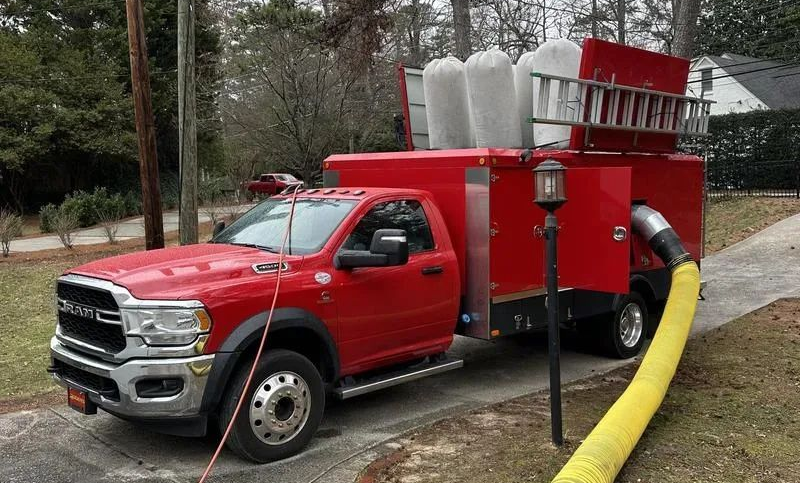
To truly improve your indoor air quality, the process must follow the NADCA standards for source removal.
The 14,000 CFM Power Vac Advantage
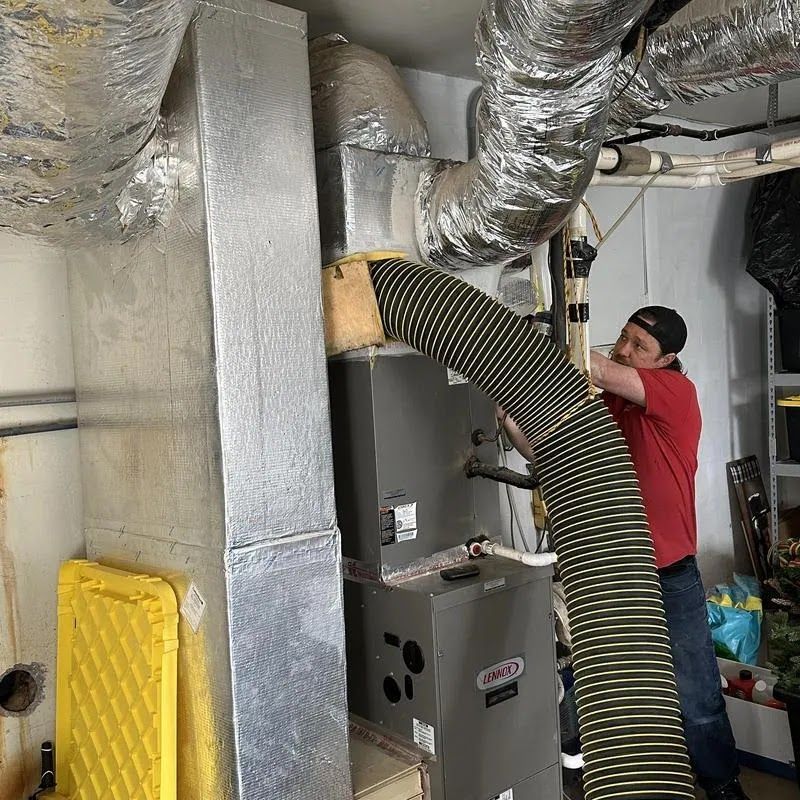
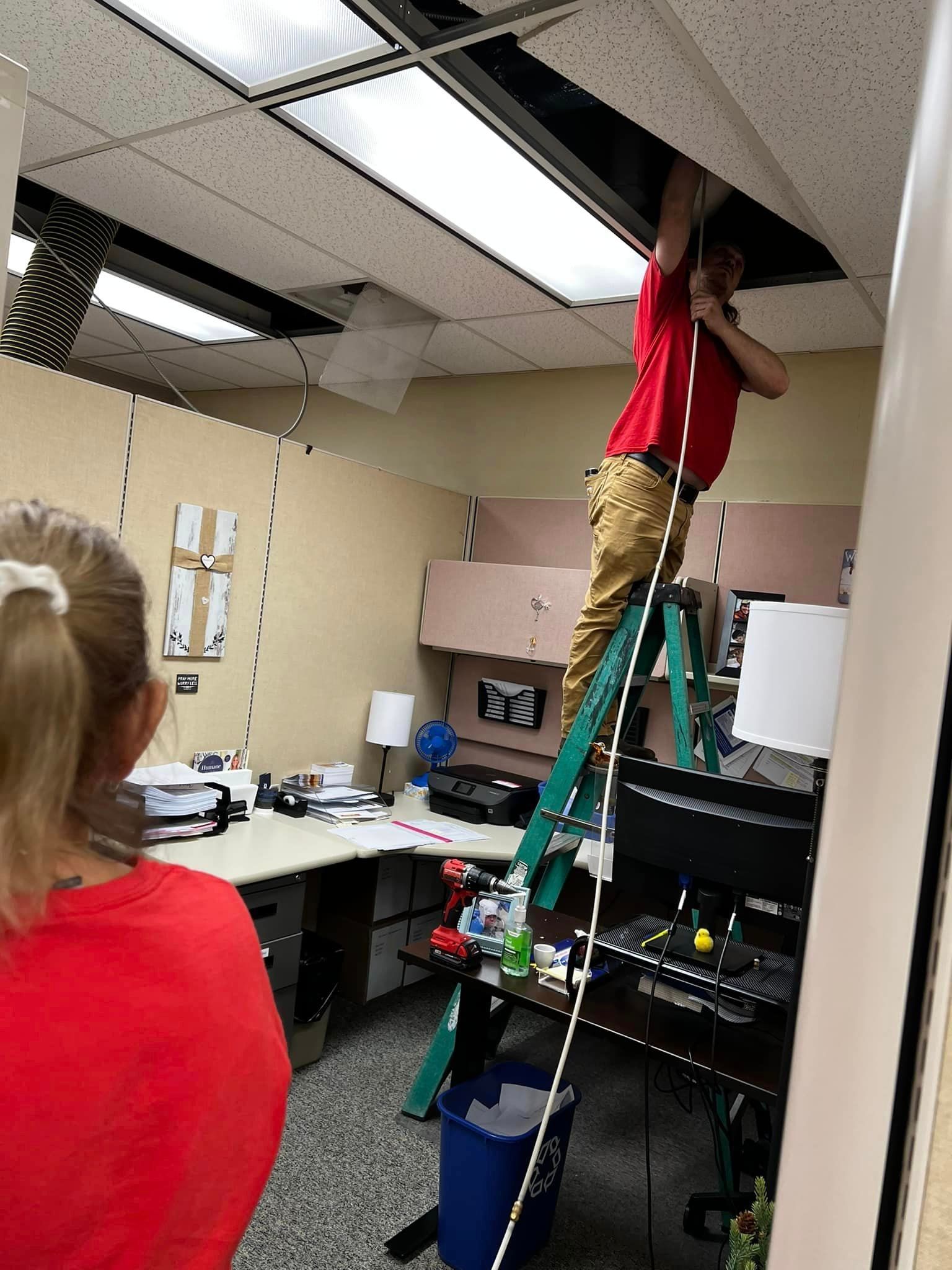
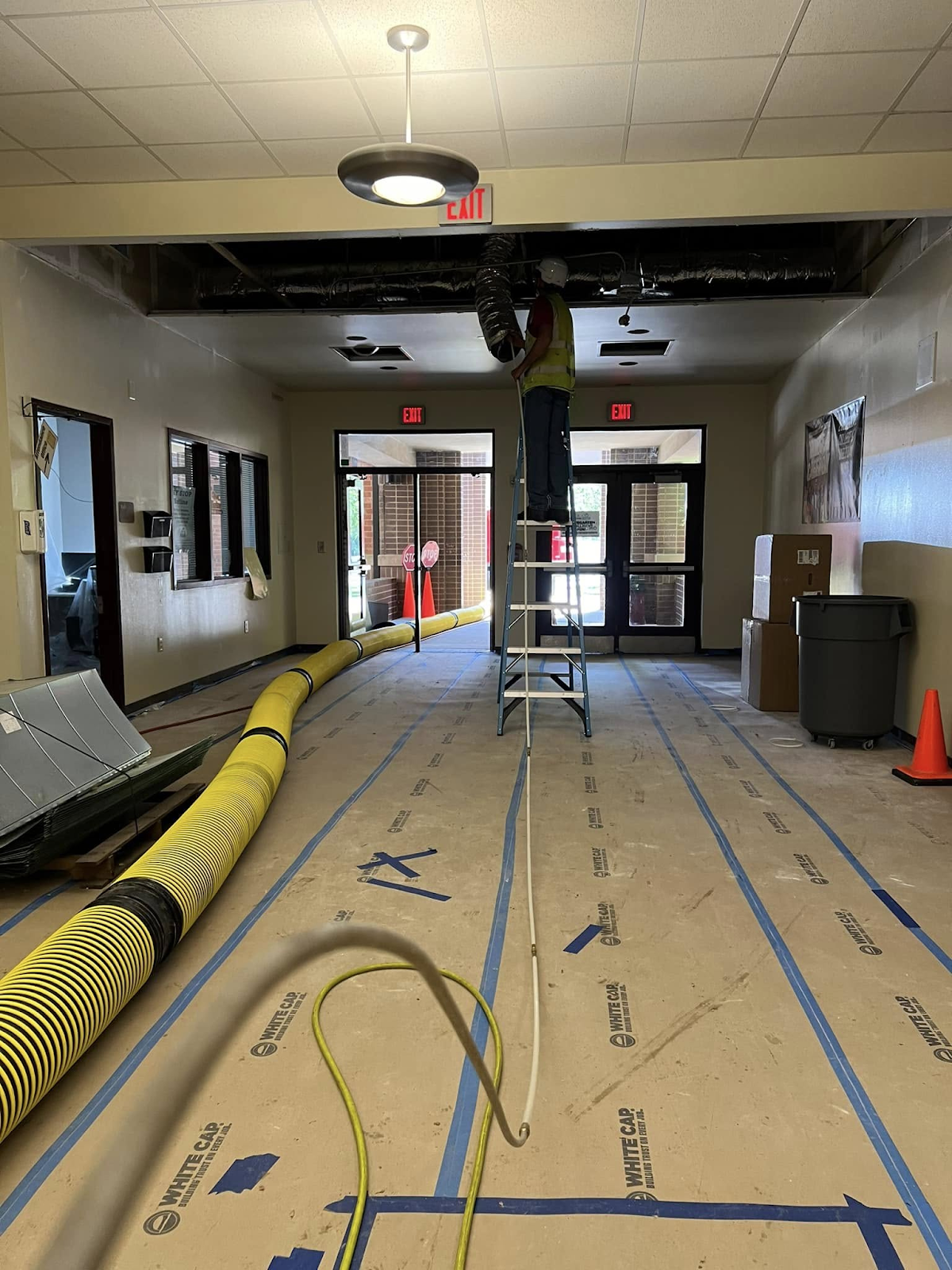
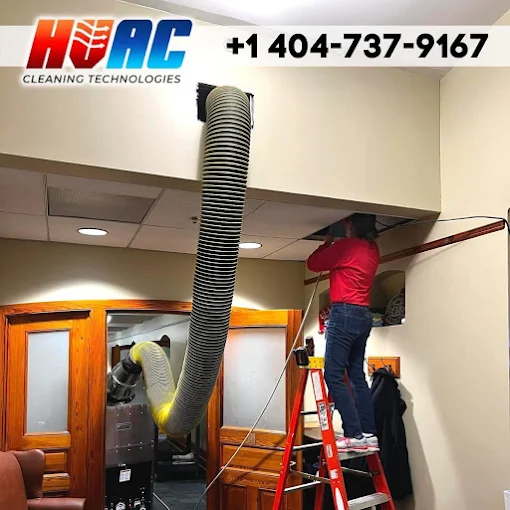
At HVAC Cleaning Technologies, we utilize 14,000 CFM Power Vac trucks. These are the most powerful units in the industry. Our truck-mounted vacuum systems put the entire ventilation system under massive negative pressure. This ensures all debris is exhausted outside the building, rather than back into your home.
ASCS-Certified Expertise
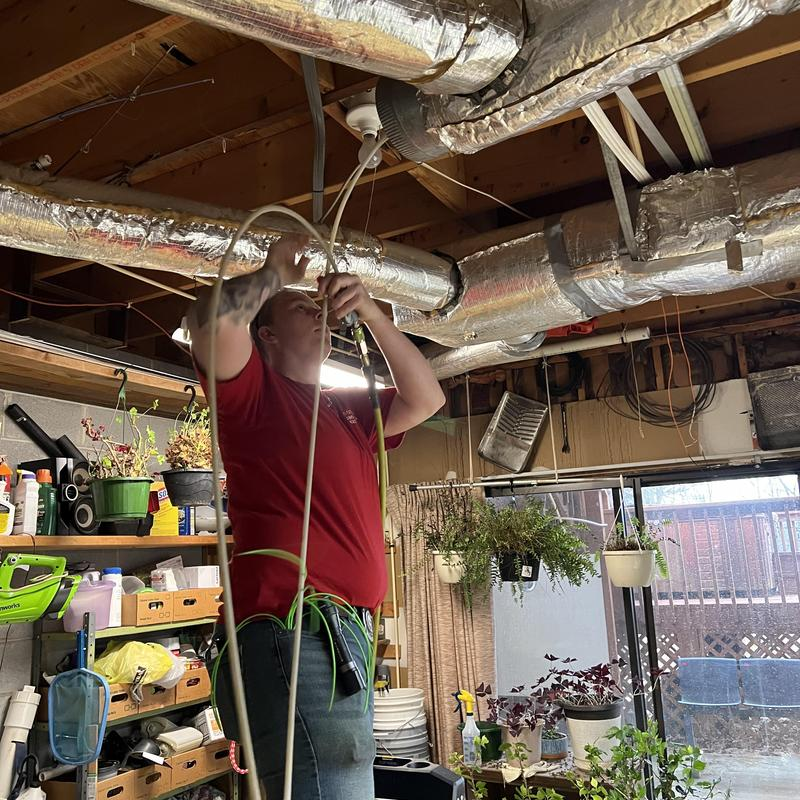
Every job we perform is led by an ASCS-certified technician. While the vacuum pulls debris out, we use specialized agitation tools like air whips and "skipper balls." These tools dislodge the caked-on dust from the duct walls. This is a critical step because vacuuming alone cannot remove the sticky dust layer common in Georgia homes.
No-Chemical Options
Once the physical debris is removed, we can apply EPA-approved antimicrobial treatments. However, we also provide no-chemical cleaning options for families with sensitivities. We ensure your home is restored according to your specific needs.
Why Cumming Residents Trust HVAC Cleaning Technologies

Local conditions in Forsyth County put a unique strain on residential HVAC systems. As a family-owned business based on Castleberry Industrial Drive, we understand these challenges.
We don't just clean ducts; we restore the integrity of your home's air distribution system. By removing the source of odors and allergens, we help you breathe easier. If your home has failed the "sniff test," it is time to see the difference that a professional HVAC cleaning can make.
Ready to clear the air? Contact us today for an upfront quote and experience a truly clean home.